
























Bringing together college students and experienced educators, the Online Consortium of Oklahoma recently hosted an open online discussion examining the pros and cons of artificial intelligence in education. The event, part of the Oklahoma Learning Innovations Summit series, focuses on emerging issues in higher education across the state – and this year, AI took center stage as a growing concern among faculty, students and administrators.
The summit, held last month via Zoom, featured a live audience and was later published on the Southeastern Oklahoma State University YouTube channel under the title “OKLIS Voices of the Future: Students on AI in Education.”
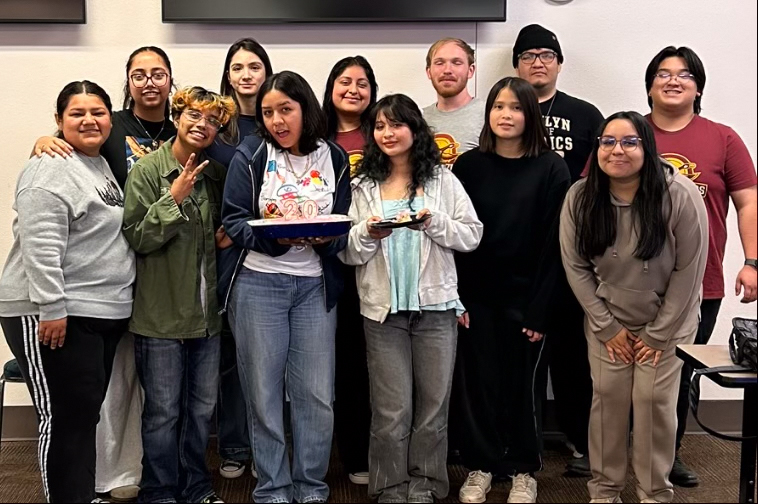
Each summit emphasizes student perspectives, aiming to better understand the needs and concerns of those who make up the majority of higher education populations. The panel included students from a variety of majors and institutions, each offering a unique angle on shared challenges. Participants were nominated by faculty at their respective colleges, ensuring the panel consisted of student leaders who could speak authentically to the issues at hand.
A central theme throughout the discussion was concern over how increasing AI sophistication may reduce the need for human labor across multiple industries. While panelists expressed anxiety about the shifting job landscape, they widely agreed that the structure of work – not work itself – will need to adapt to accommodate AI as a new and permanent professional companion.
One technical writing student stood out as particularly optimistic about the changes AI may bring.
“These beginner English classes, Composition I and II, should have a section where students go through the process of making a paper using AI and seeing how much work it takes,” said University of Central Oklahoma student Jennifer Nelson. “Maybe that will convince students that it takes just as much work to fake it than to actually make it, or the opposite could occur.”
Following the scheduled questions, audience members – primarily professors – submitted their own inquiries, many aimed at understanding student views on AI use by educators. Panelists overwhelmingly agreed that departments should adopt consistent policies regarding AI and that students should have equal access to the same tools professors use.
The summit underscored a shared desire for clarity, consistency and collaboration, as artificial intelligence continues to reshape the future of higher education.