
















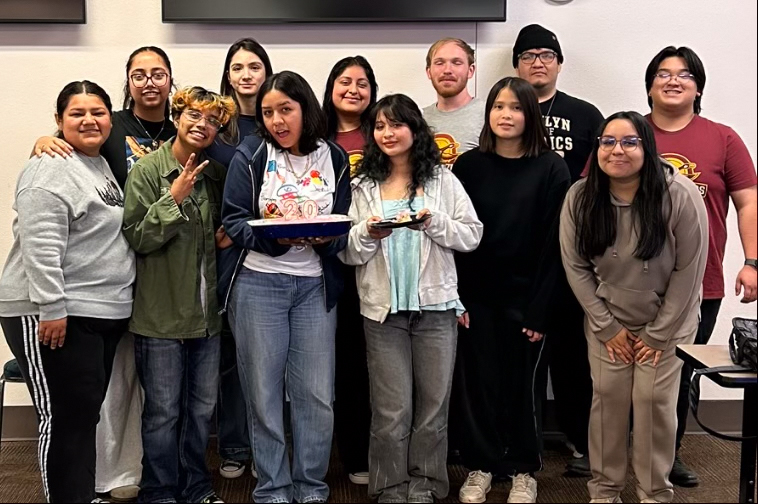



The OCCC Computer Science Club welcomes all students—especially those majoring in computer science and technology—to join its growing community.
Club leader Guy-Robert Bogning said he launched the organization to help students connect, support one another and prepare for careers in a rapidly evolving field.
“A community in computer science is important, especially with the tech job market,” Bogning said. “We are striving toward a goal, and we want to network and upscale our careers.”
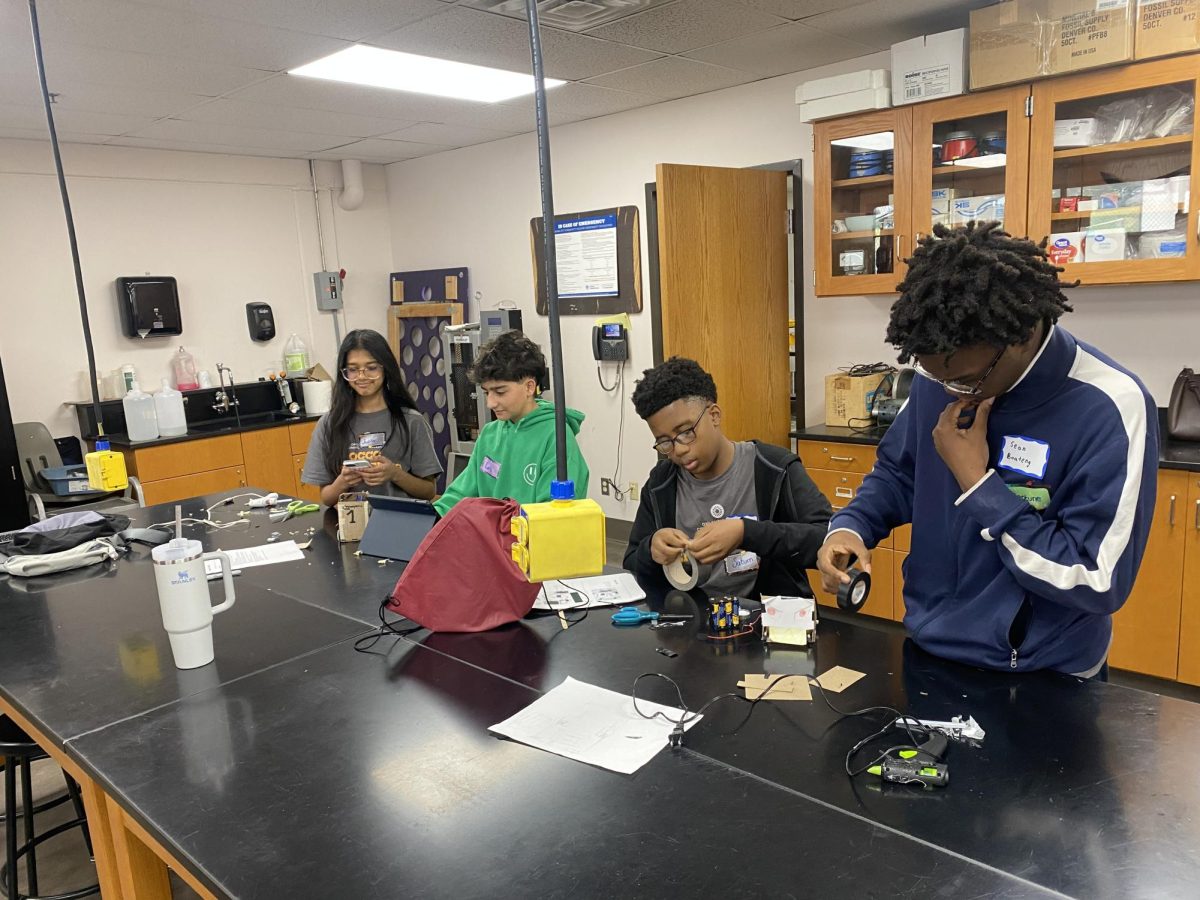
The club’s mission is to help students broaden their knowledge of computer science through hands-on learning, new programming tools and exposure to the latest industry advancements such as artificial intelligence.
One of the club’s major goals for the spring semester is a partnership with the National Cyber League, an opportunity that would allow students to gain experience, compete and qualify for scholarships.
To support student skill-building, the club plans to host regular workshops on cybersecurity, AI and other emerging technologies. Future plans include weekly training sessions to prepare students for industry-recognized certifications in cybersecurity and national security fields.
The club is currently offering a Python programming workshop open to all students, with an AI workshop also in development.
“These workshops help students build a lot of skills,” Bogning said. “Right now in the tech market, expectations are already high.”
In addition to workshops, the club provides online resources such as videos and articles to help students learn independently and connect with faculty.
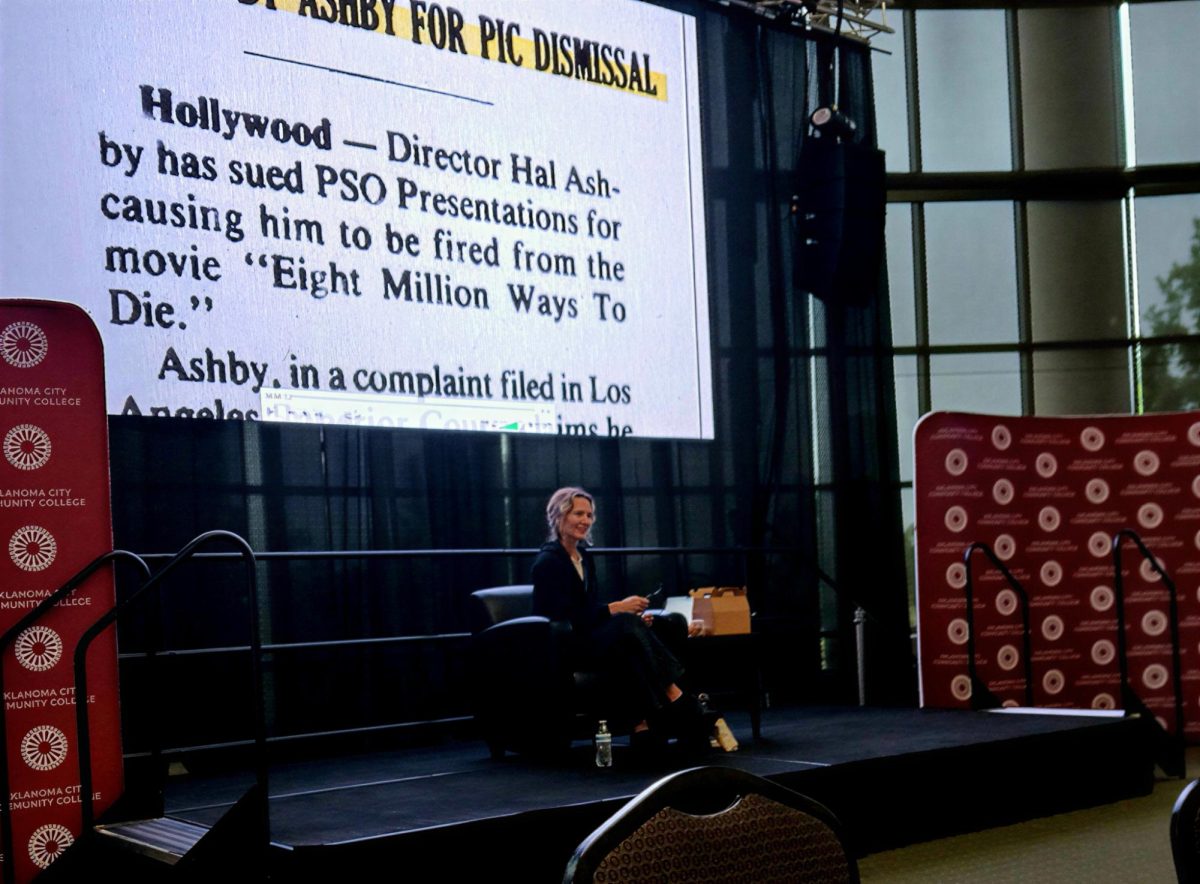
Guest speakers are also planned. One is a current OCCC student transferring to the University of Oklahoma, who will speak about artificial intelligence and his work in the campus speech lab. Another upcoming guest is OCCC math lab assistant Zach Frye, who will introduce students to game development and the gaming industry.
Increasing student engagement and helping students secure internships and future careers remain central goals, Bogning said, along with boosting participation in the National Cyber League.
Bogning’s own interest in computer science began early.
“I got interested when I was around 8 or 9,” he said. “My older brother had a new laptop and gave me his old one filled with games. I spent every night playing and trying to understand them. That experience got me interested in computer science.”
Bogning plans to pursue a bachelor’s degree and then a master’s in AI or cybersecurity. He hopes to become a researcher and entrepreneur.
“I want to do research in fields like AI or blockchains,” he said. “I also think AI can play a big role in better education.”
The OCCC Computer Science Club holds weekly meetings when classes are in session. According to its official mission statement, the club aims to “foster a collaborative and inclusive community where students can grow their skills, explore new technologies and connect through shared interests in computer science.”