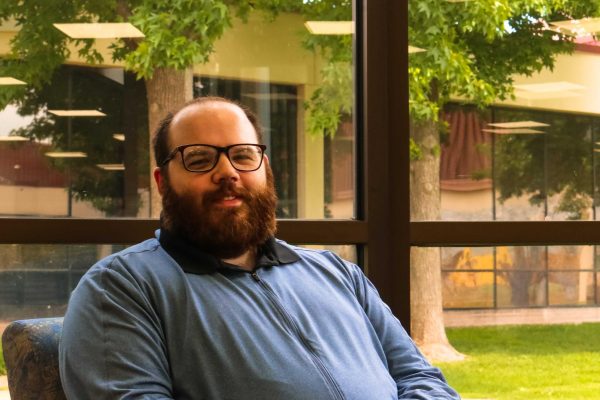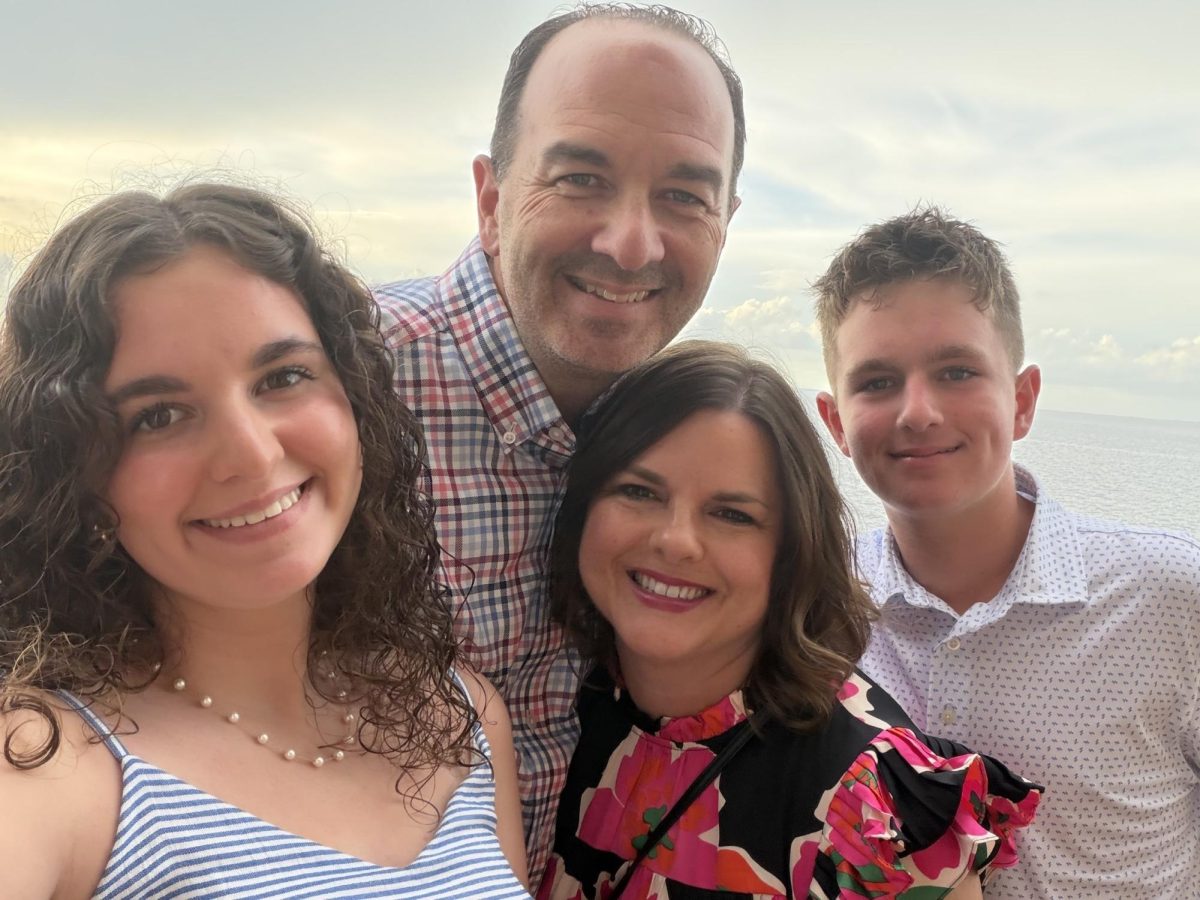

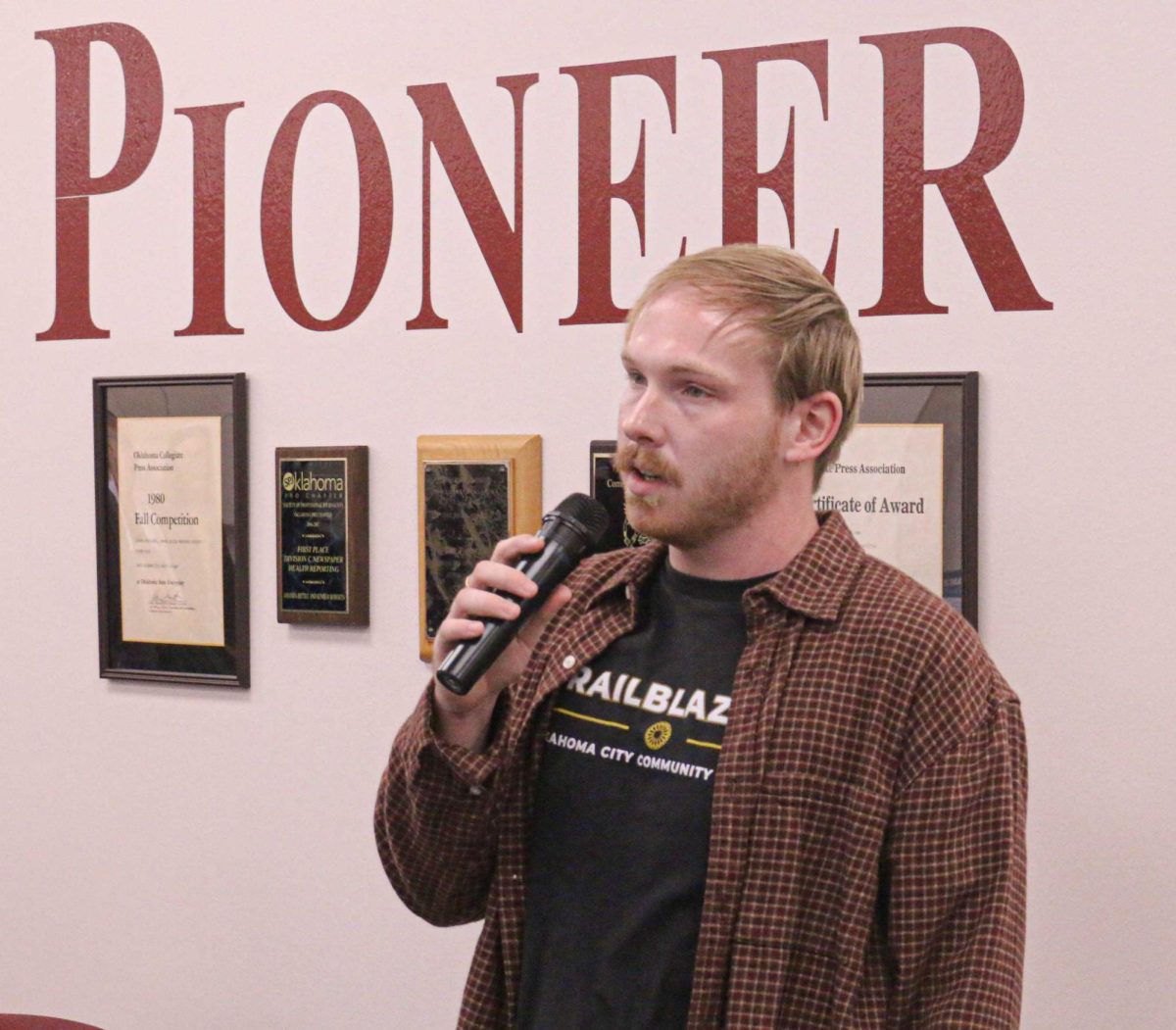



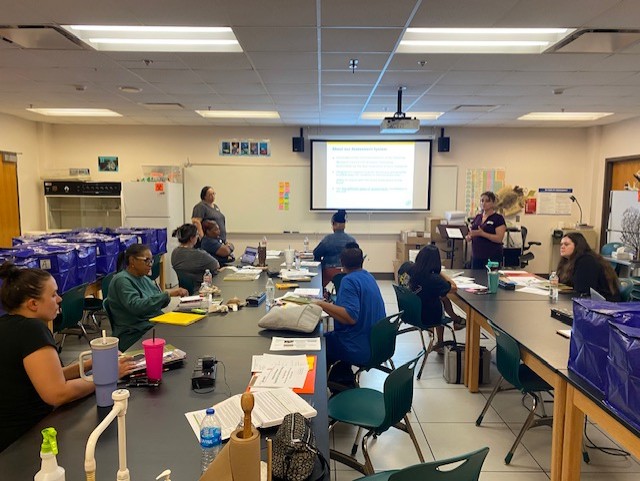
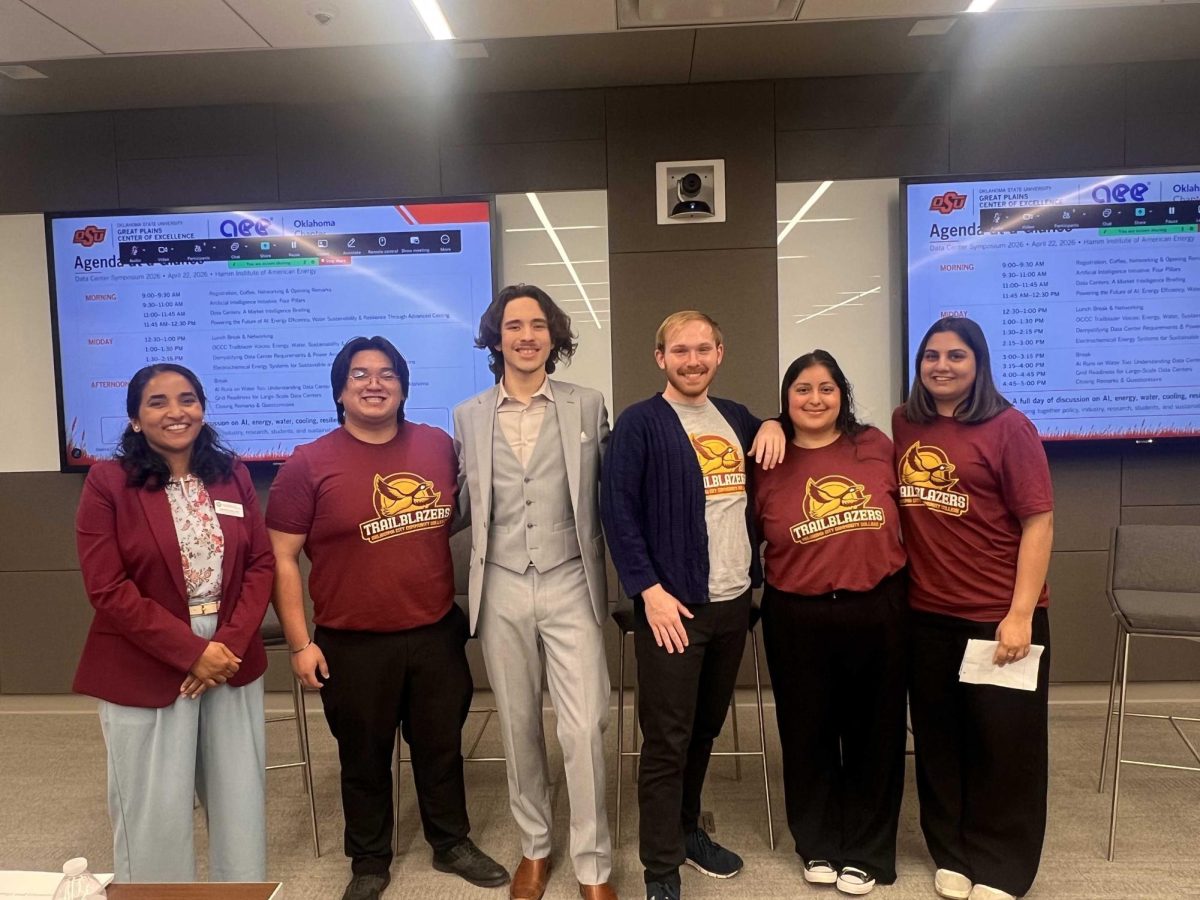



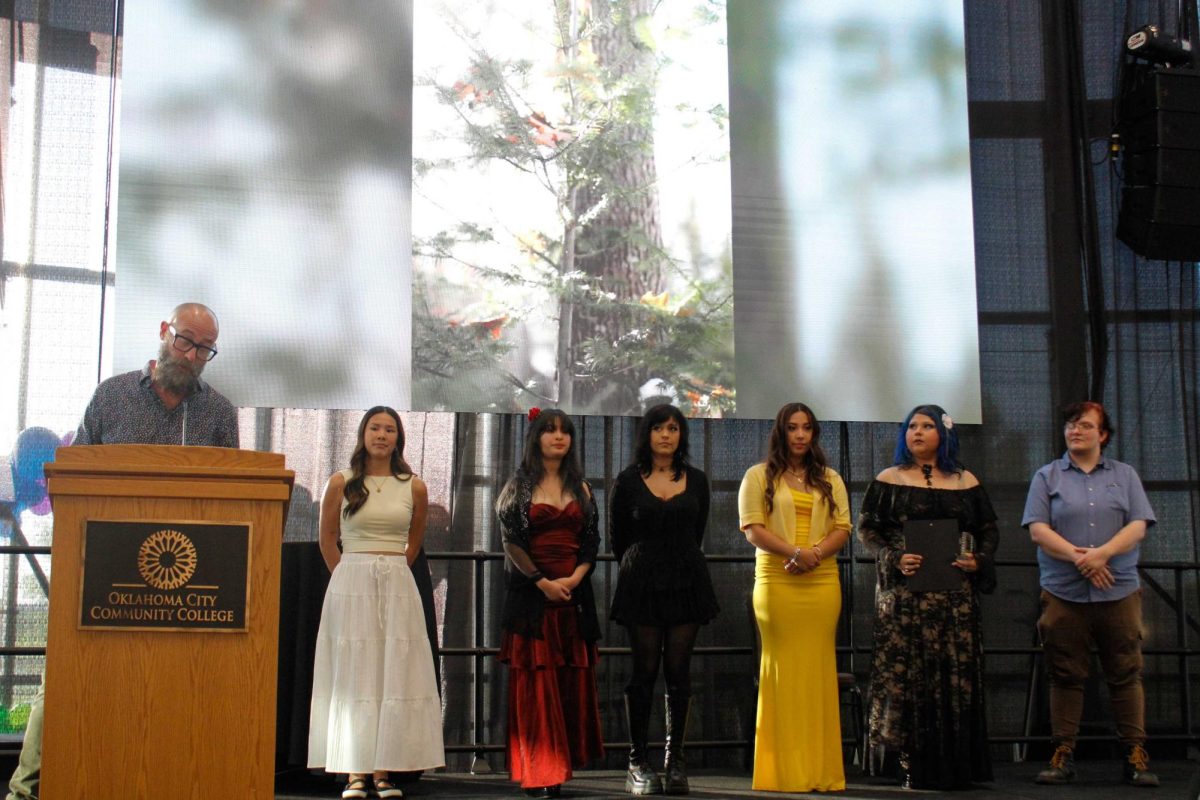






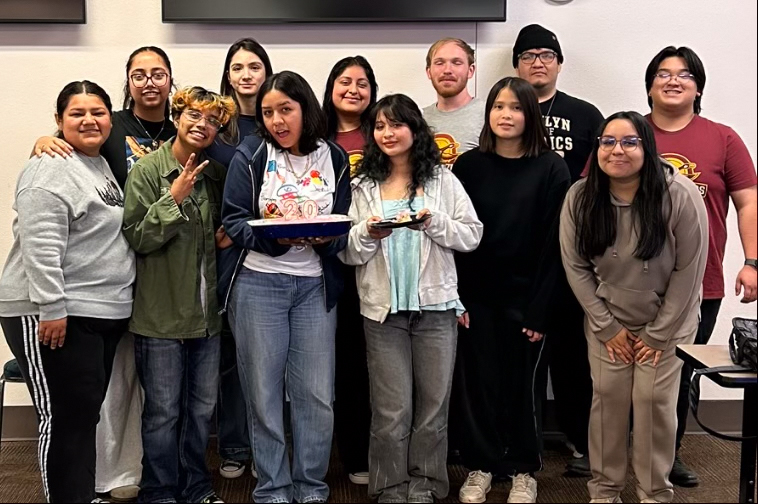



A group of five students from OCCC – four current students and one alum – recently presented their work at the National Conference on Undergraduate Research in Richmond, Va., along with Professor of English Gena Ford, marking the first time OCCC has gone to the conference as a group.
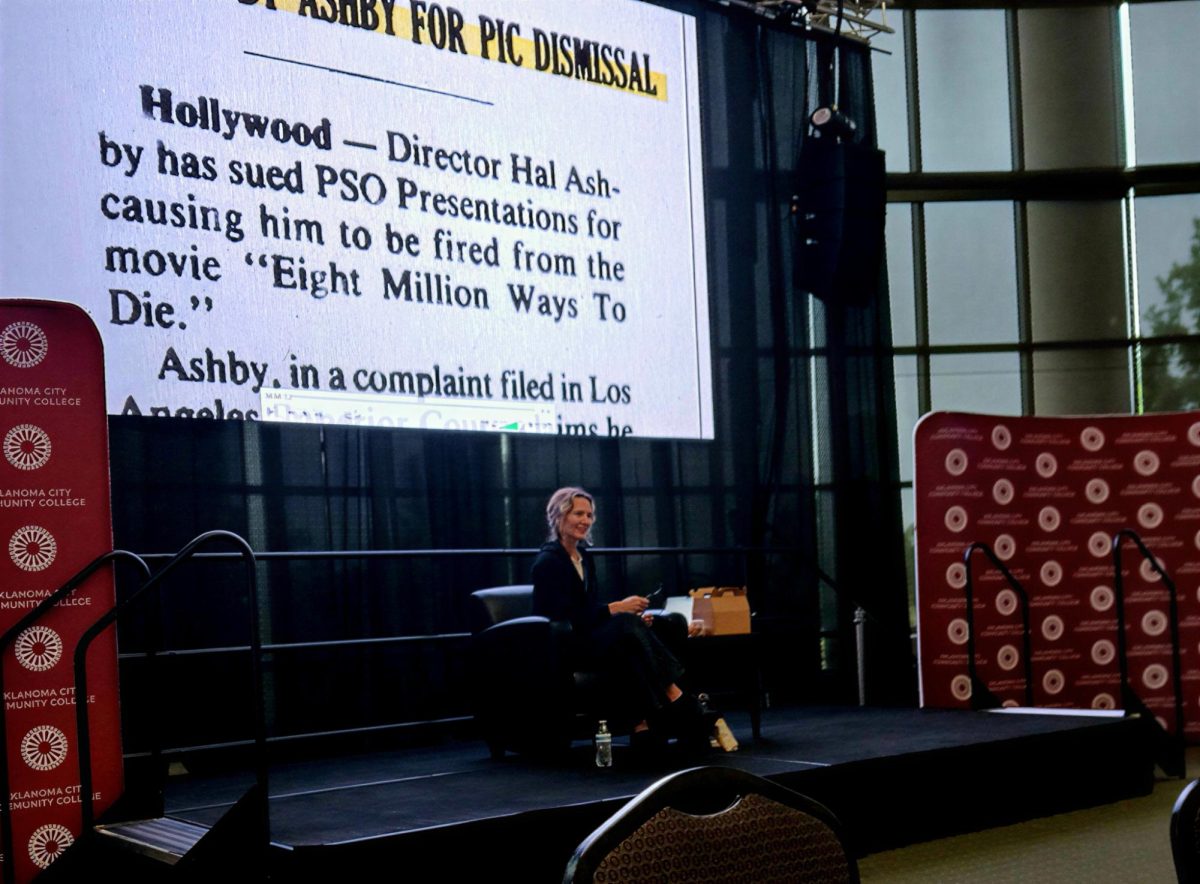
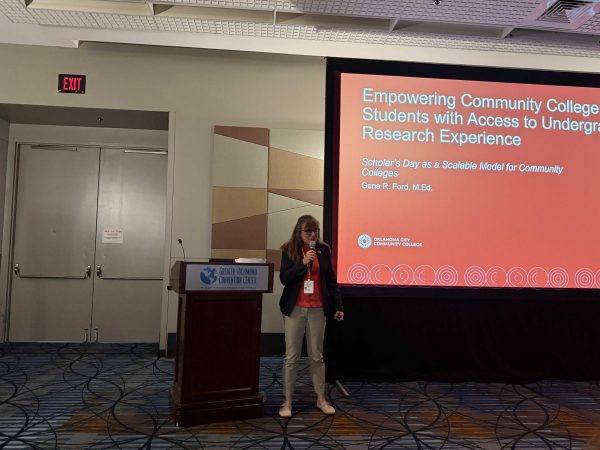
Ford gave a presentation titled “Empowering Community College Students with Access to Undergraduate Research Experience: Scholar’s Day as a Scalable Model for Community Colleges.” In it, she spoke about her experience and passion for undergraduate research, drawing from last year’s Scholar’s Day, which she was instrumental in facilitating.
“I talked about how many of our students do not see themselves as scholars, and that high-impact practices such as undergraduate research can be an opportunity to challenge long-held beliefs that may have been instilled in them by parents, schools, the larger community and the media,” she said. “I talked about the barriers to undergraduate research at the community college and how events like Scholar’s Day can be one way to give our students the opportunity to share their voices.”
One student who shared his voice stood out as particularly memorable to Ford.
“A favorite moment for me was sitting in the audience watching Elyas Anderson present on his poem, ‘I am Me,’ and his writing process using stream of consciousness,” she recalled. “The audience was riveted. He talked about his writing with authority and an authenticity that can only come from experience.”
Later, Anderson spoke about what his presentation meant for him.
“It was really important that I got to do my presentation because I did a spoken word as well, and it was a poem about my experience discovering that I was trans and accepting myself,” he said. “It had a very strong impact on the people that I spoke to after the presentation.”
Christina Basara-Richter, another student who presented at the conference, also shared a spoken-word poem about something deeply personal to her.
“I presented on bipolar disorder’s effects on graduation rates and psychiatric hospitalizations’ effects on graduation rates,” Basara-Richter said. “It was really cool to see how my use of creative writing is changing the stigma and changing research for the better.”
Ford echoed those sentiments, noting that the personal nature of the students’ presentations added to the significance of the occasion.
“It is important to the world that populations who have historically been oppressed, including immigrants, trans folk, women or those with physical or mental disabilities, make their voices heard,” she said. “Otherwise, we only hear about a very narrow perspective—one which doesn’t represent the realities of our students.”
For Ford, one of the best parts of the event was getting to see students bring their unique perspectives to the table – especially as community college students who presented alongside students from Ivy League institutions.
“You could hear pride in the students’ voices when they realized they were presenting alongside students from Ivy League universities, such as Harvard, and their research was just as meaningful,” Ford recalled. “Having a national platform to share your research and creative works is empowering.”
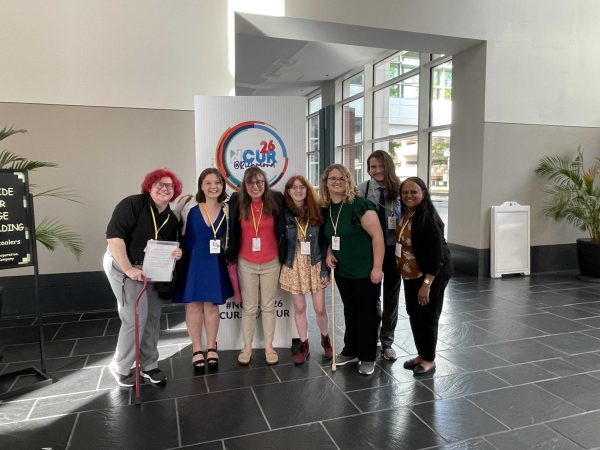
The week after the group returned to OCCC, Ford held a “Coffee and Conversations” event, where mentors, their students and those interested in undergraduate research gathered to discuss its importance and reflect on their experiences.
During the campus event, Ford asked what people thought of when they hear “undergraduate research,” receiving varied answers in response. But when she asked if anyone thought about community colleges, the answer was a resounding “no.”
This sentiment was echoed by some at the conference, as Anderson noted.
“I talked to other students and mentioned that I was from a community college,” he said. “And they were like, ‘Huh?'”
For Ford, such attitudes only further her resolve to champion undergraduate research. In one of her presentation slides, titled “What We Care About at OCCC,” she highlighted the most important aspects of undergraduate research for her: mentorship, process over perfection and, most importantly, student voices.
Ford continues to advocate for and encourage undergraduate students to share their voices.
“Undergraduate research gives our students a platform to share their perspectives,” Ford said, “no matter the subject area.”