








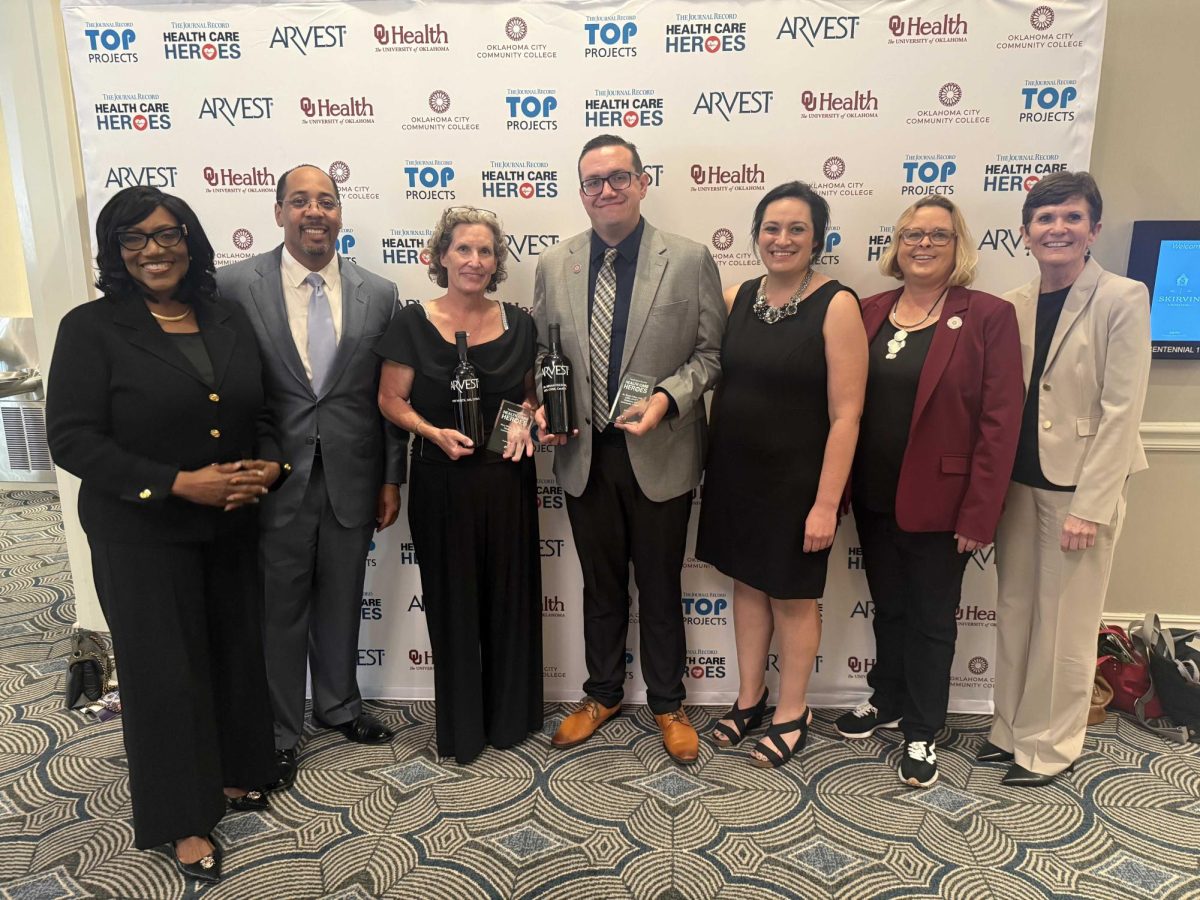



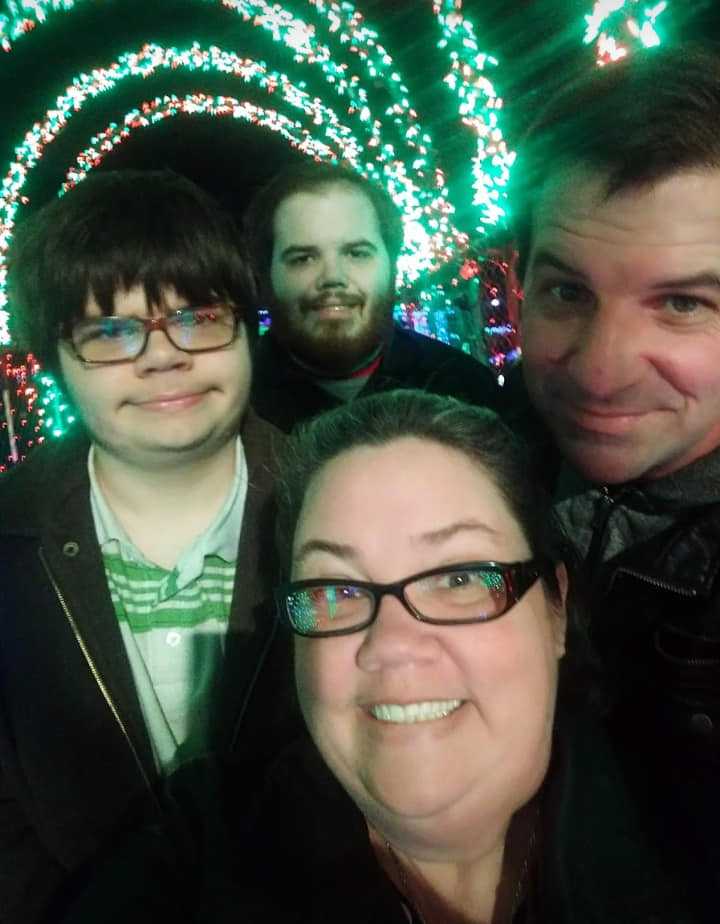


The Oklahoma Library Association has named OCCC’s Keith Leftwich Memorial Library its “Library of the Year,” recognizing the library’s innovative programming and measurable impact on students and faculty.
The annual award honors libraries that provide outstanding programs or services that can be replicated across the state or that significantly improve the lives of their communities. According to Ann Raia, OCCC’s director of library services, the recognition reflects years of intentional growth and adaptation – particularly in the wake of the COVID-19 pandemic.
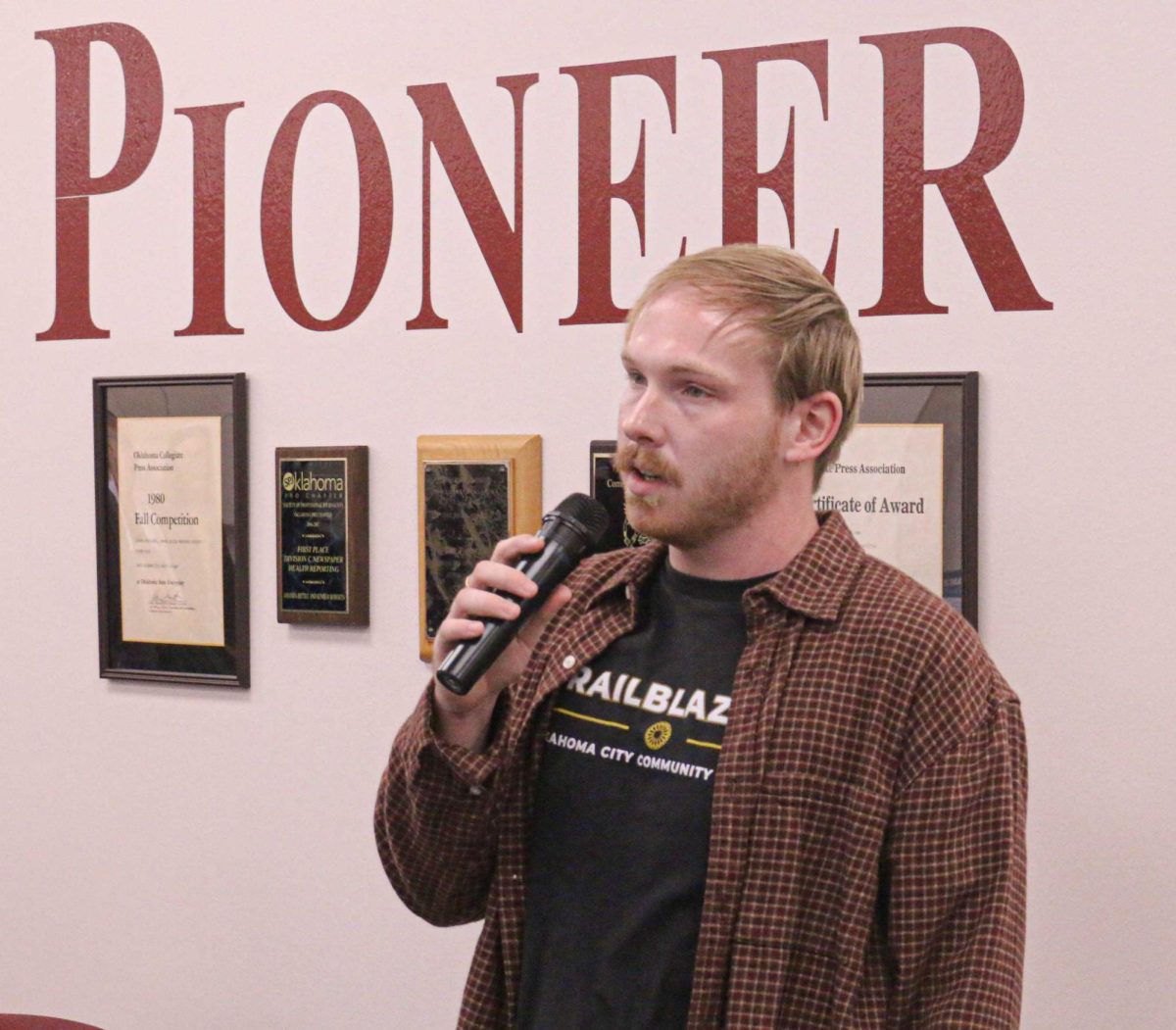
“We’ve really tried, especially post-COVID, to bring activity and vibrancy back – not just to the library, but to campus life as a whole,” Raia said.
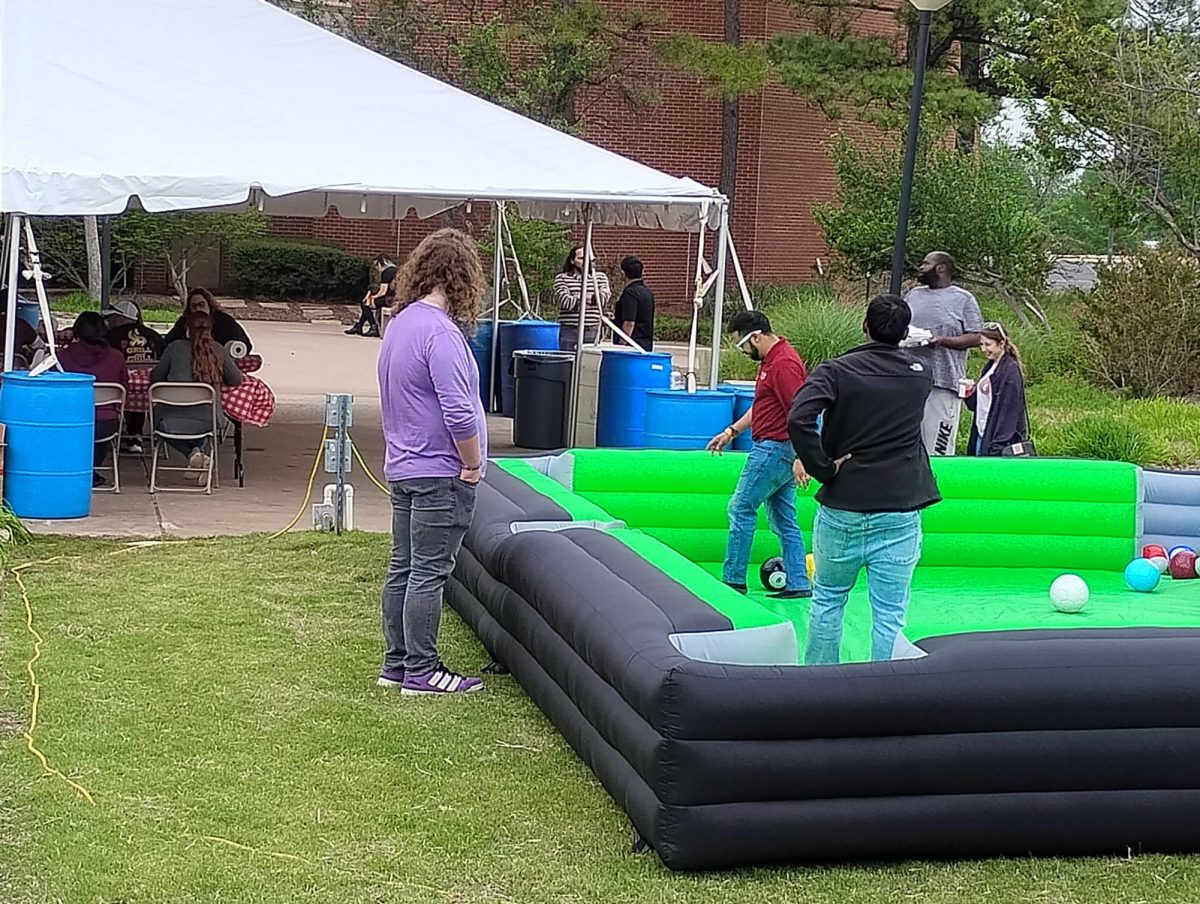
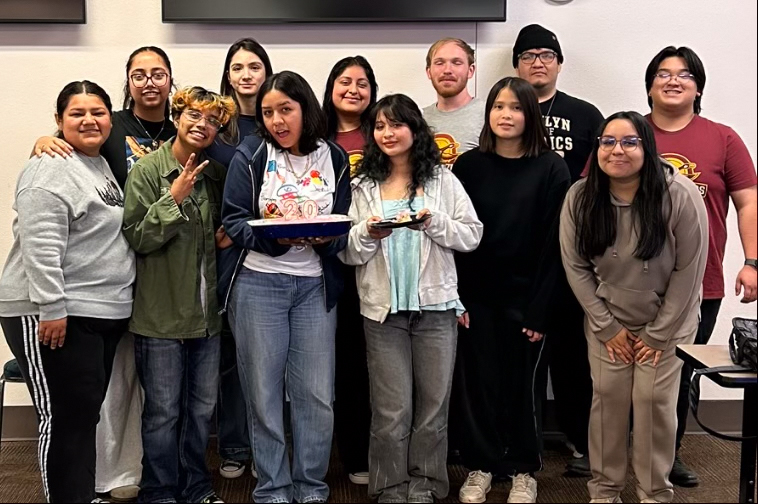
A major part of that effort has been the introduction of creative, student-centered programming. The library now hosts at least one special event each semester, often more.
Among the most popular events is a “book swap” that transforms the library into a book fair-style experience. Staff collect donated books from faculty, students and the broader community, building a collection that is then distributed free to students.
At the most recent event, approximately 1,500 books were available. Students could initially select up to five titles and return later for more if supplies remained. The event also included snacks and free items such as posters and notebooks, creating a helpful and welcoming atmosphere.
“We wanted it to feel like those book fairs people remember from school – but everything is free,” Raia said.
Other special events include photography contests, PowerPoint-themed social events and a recent Peeps diorama competition, where students recreated scenes from books or movies using Peeps as their characters. The contest featured judged categories and a “People’s Choice” award, with prizes such as gift cards and a Kindle e-reader awarded to the winners.
Beyond hosting special events, the library has also expanded its instructional offerings to meet evolving academic needs. Workshops on artificial intelligence have become a key focus over the past year and a half, helping students understand both the possibilities and ethical considerations of AI use, including issues such as plagiarism and source credibility. Additional workshops teach digital platforms like Canva, equipping students with practical skills for presentations and design.
One of the library’s most impactful initiatives is its collaboration with OCCC’s sociology department. Every student enrolled in an introductory sociology course works directly with a librarian – either in person or through an online ticketing system – to develop research skills. During peak periods, librarians assist between 150 and 250 students per week, guiding them through database use, keyword development and source evaluation.
“It’s pretty intense,” Raia said, noting that the work is spread across multiple weeks and shared among library staff.
Technology access has also been central to the library’s mission. What began during the pandemic as a small laptop lending program has grown into a large-scale operation. The library now maintains up to 250 laptops and 100 mobile hotspots, which students can check out for an entire 16-week semester.
Raia said many OCCC students face financial barriers to owning personal laptops, making extended access to equipment essential to their academic success.
The program operates in partnership with Verizon through a digital inclusion initiative, helping the library secure equipment at reduced costs. Managing the inventory is a significant undertaking, requiring constant maintenance, updates and coordination among staff.
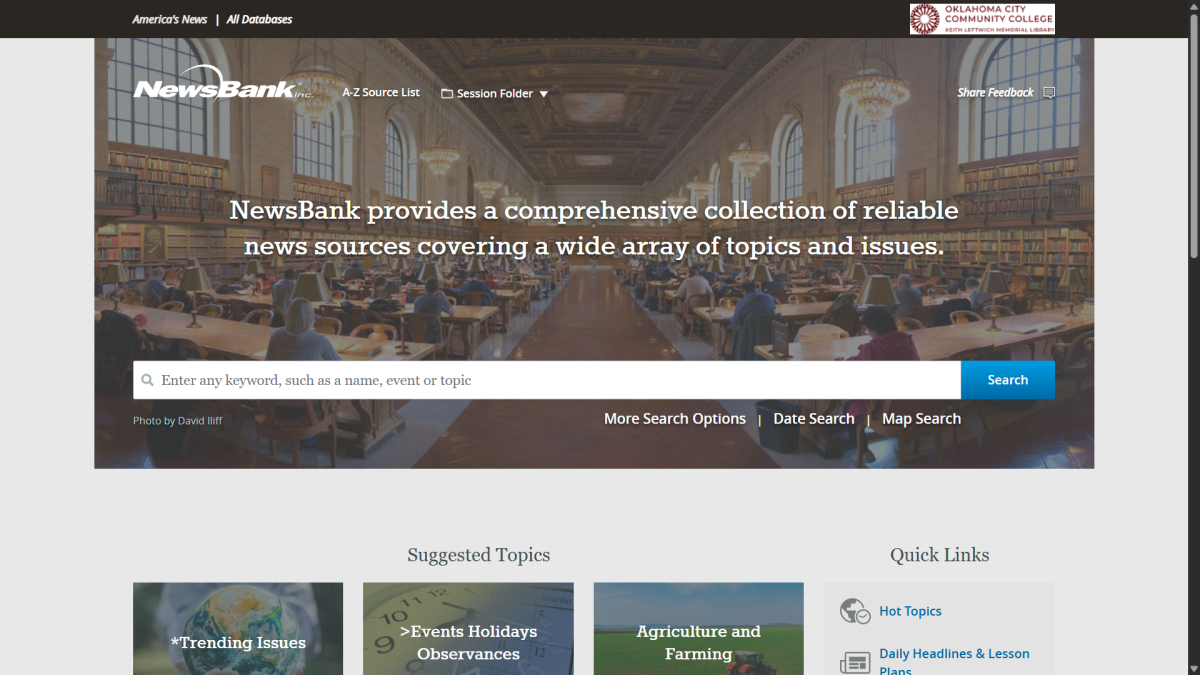
In addition to technology, the library has expanded its digital resources. New additions include access to the JSTOR research database and multiple streaming platforms, such as Academic Video Online, Kanopy and Swank Digital Campus. Altogether, the library now offers an estimated 150,000 to 200,000 streaming titles, ranging from documentaries to major feature films.
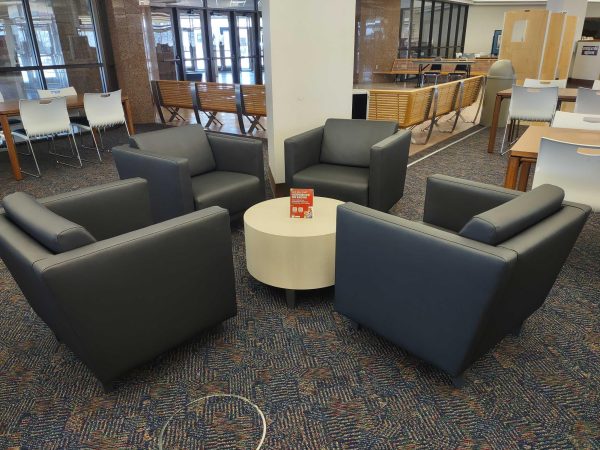
At the same time, the physical space inside the library has evolved to better meet student needs. One of the most popular additions has been individual study cubbies – semi-private spaces with sliding doors that students can reserve online or claim on-site. Demand has been high enough that the library expanded the number of cubbies after their initial installation.
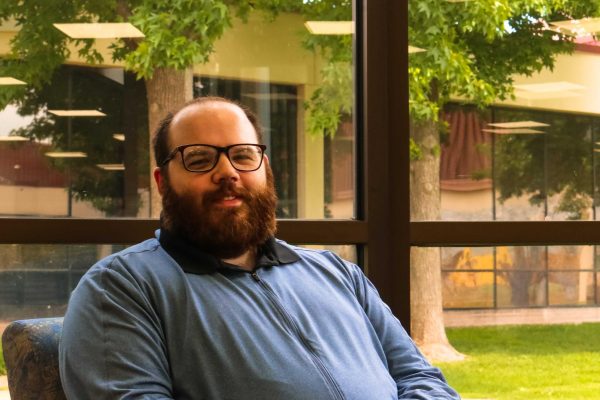
The nomination for the “Library of the Year” award came not from library staff, but from faculty members who recognized these efforts. Sarah Baker, OCCC’s speech-language pathology program director, said the decision to nominate the library was immediate.
“I came across an Oklahoma Library Association post on LinkedIn about nominating a library for ‘Library of the Year,’ and my immediate thought was that our OCCC library is the absolute best and truly deserving of that recognition,” Baker said. “It was a no-brainer. They are amazing.”
Raia said that aspect of the award makes it especially meaningful.
“Knowing that others see the work we’re doing and feel strongly enough to take the time to nominate us – it’s really special,” she said.
While the competition includes public, academic and school libraries across Oklahoma, Raia noted that public libraries typically win the award. According to information shared during the ceremony, OCCC may be the only academic library to receive the honor.
For Raia, who has worked at the library for nearly 14 years, the recognition reflects both the dedication of the staff and the collaborative relationships built across campus.
“We work very closely with faculty, and that helps us understand their needs and respond to them,” she said. “It’s something we figure out together.”
As the library continues to expand its services and programming, Raia said the goal remains the same: to support student success in as many ways as possible – whether through technology, instruction or simply creating a welcoming space.