













In higher education, success is often measured in grades, degrees and job placements. But within OCCC’s support system is a program that redefines what success looks like – not just in the classroom, but in life as well. Rather than focusing solely on academic benchmarks, this program prioritizes personal growth, confidence and long-term transformation.
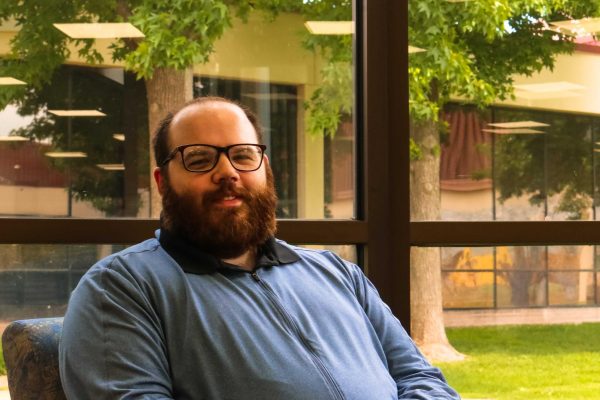
“Mentorship is my life.” That’s how Dr. Bryon Dickens, director of Students Connecting with Mentors for Success, describes the foundation of a program that has transformed the lives of its students since its launch in January 2016.
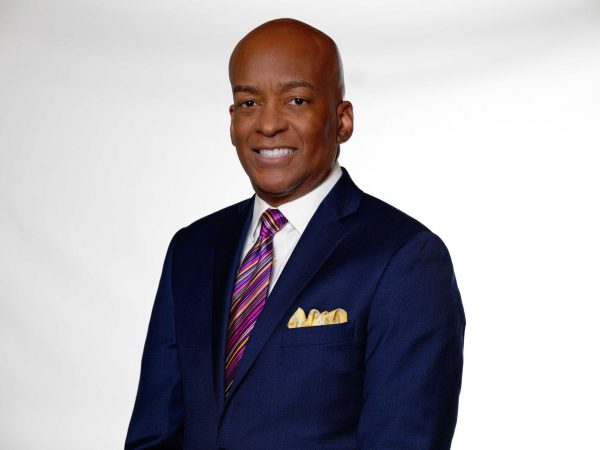
Director of Students Connecting with Mentors for Success
What began as a targeted initiative for the college’s most underperforming demographic has grown into a community rooted in belief, accountability and belonging. For Dickens, the story of SCMS isn’t about numbers. It’s about people.
Before SCMS ever existed, Dickens wasn’t searching for a new role. He had built a successful career and was content with his path. But a conversation with former OCCC President Jerry Steward changed everything.
What Dickens thought was a casual meeting quickly turned into something more.
“Soon after that (conversation), he asked me if I would be willing to start and lead a new mentorship program,” Dickens recalled.
He agreed – initially for just one year. Ten years later, he’s still there.
That longevity speaks not only to the program’s success, but also to the connection Dickens has built with his students. It reflects a level of commitment that goes beyond professional obligation and into genuine care.
“I never cease to be amazed at how incredible the students are,” he declared. “Each year is rewarding and fulfilling.”
SCMS started with just 24 students, focusing specifically on black male students – a group whose campus GPA was 2.03 at the time, the lowest among all demographics.
What followed were results that were immediate and undeniable.
Within one semester, the group’s average GPA rose to 3.06. The following semester saw that average rise to 3.15 and then 3.24 in the semester after that. For three consecutive years, the average never dropped below 3.0.
The results demonstrate what can happen when students are given both structure and belief in equal measure.
Dickens said those results are the product of a larger team effort.
“I must also add that I don’t do this alone. I have an outstanding staff now and through the years,” he said. “I am blessed to have people who genuinely care about students.”
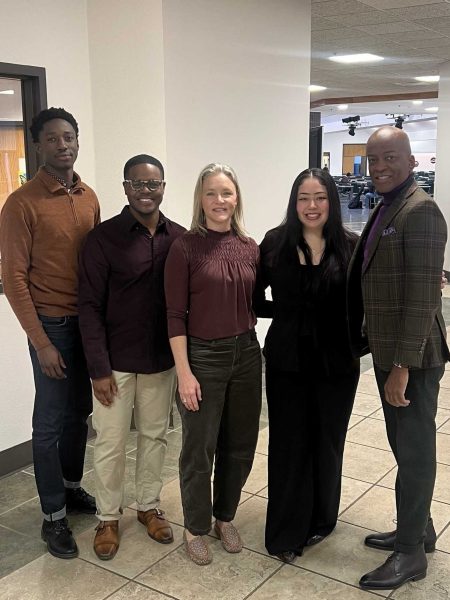
Dickens also pointed to OCCC’s institutional support as a key factor.
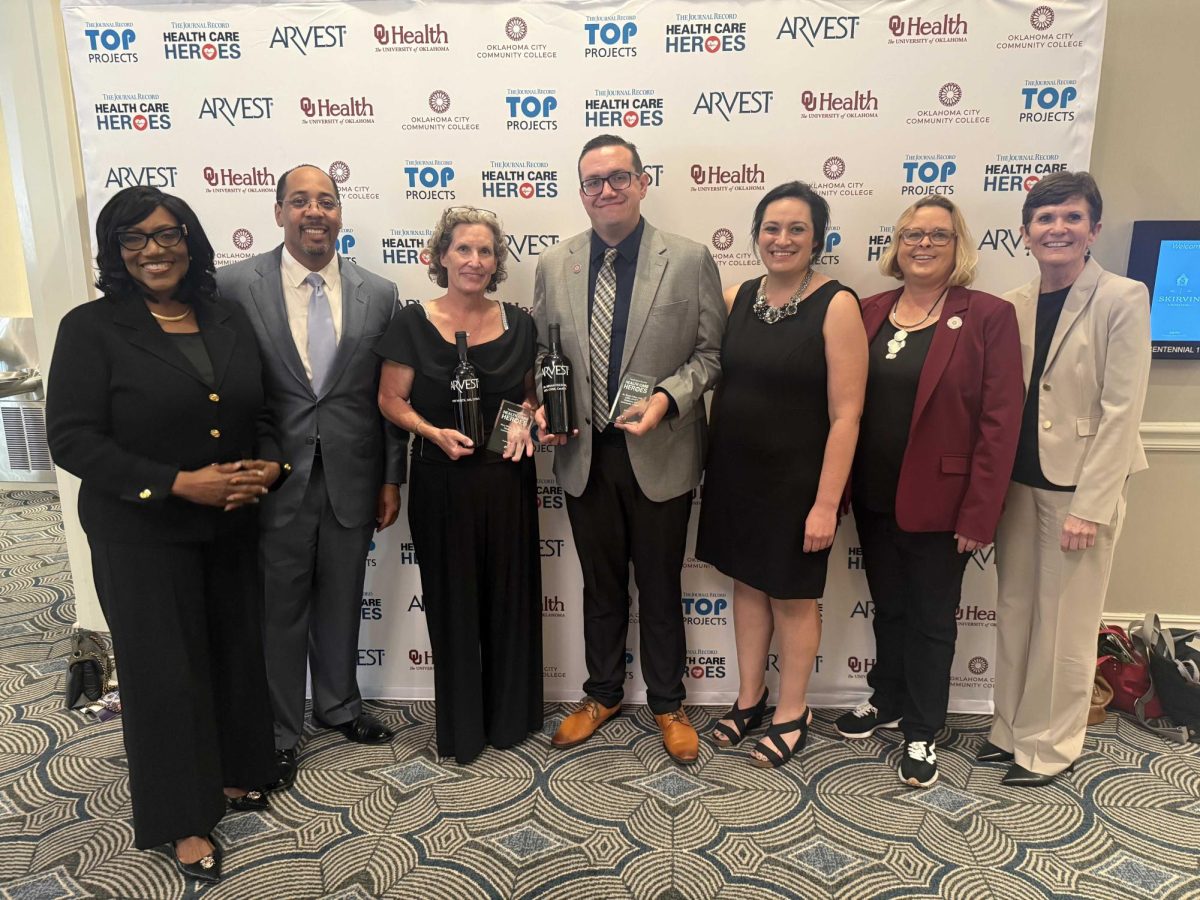
“Also, there is no way I could do what I do without the support of President (Mautra) Jones and the entire OCCC Board of Regents. They have shown unyielding support over the years,” he emphasized. “From the national awards we’ve received to the life-changing results we’ve witnessed, I have not accomplished it alone.”
By 2019, SCMS had expanded to include students from all backgrounds. The original focus, Dickens explained, was always meant to be a starting point.
“Starting with the most underperforming group meant it should work for everyone,” he said.
Today, the program serves around 120 students and continues to grow. Its expansion reflects not just demand, but a proven method of approach that resonates across a diverse range of student experiences.
At its core, SCMS challenges a common assumption about mentorship programs: that they exist primarily to improve grades. But that’s only part of the story.
“Most mentorship programs are designed to help students be better students,” Dickens said. “SCMS is designed to help students be better human beings.”
That philosophy shapes everything the program does. Students aren’t just guided through coursework – They’re supported holistically. SCMS emphasizes soft skills, community service, professional development and, perhaps most importantly, emotional growth. Workshops, group discussions and peer accountability all contribute to an environment where students can grow in multiple ways at once.
Dickens’ own academic research reinforces this approach. His doctoral dissertation explored what made SCMS effective, particularly in its early years. The answer wasn’t complicated, but it was powerful.
“A sense of belonging, community and having professors who believe in them largely determine how well students perform academically,” he said.
In other words, success isn’t just about intelligence or effort. It’s about environment, and SCMS intentionally cultivates that environment through consistent mentorship and the meaningful connections that are fostered.
For many students, SCMS becomes a turning point – not because it teaches them something new, but because it helps them see themselves differently.
“Many times, students doubt their own abilities,” Dickens noted. “They need someone to come alongside and tell them how capable they are.”
That belief can be life-changing, especially for students who have been told the opposite. Some come from environments where higher education feels out of reach. Others carry years of discouragement from peers, family members or past academic struggles.
SCMS works to rewrite that narrative. Sometimes, that rewrite leads to outcomes that feel almost cinematic. One of Dickens’ most memorable experiences began with a student ready to walk away.
The student had just failed out of the Emergency Medical Technician program and planned to leave OCCC altogether. But before he did, someone encouraged him to speak with Dickens, and that conversation changed everything. After discussing the student’s goal – becoming a firefighter – Dickens encouraged him to try again, this time with the support of SCMS.
The student joined study groups, developed stronger habits and became more disciplined. He passed the EMT program, decided to pursue his associate degree and ultimately joined the Oklahoma City Fire Department. Dickens later attended his fire academy graduation.
“Anytime I see a fire truck or hear news of a fire rescue, I think of him,” Dickens said.
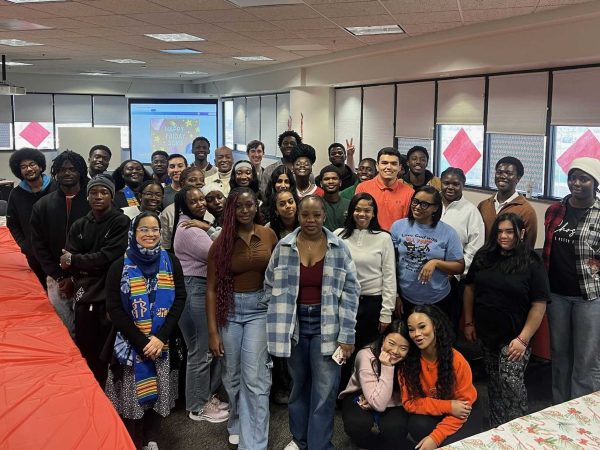
Perhaps the most unique aspect of SCMS is its longevity – not in years, but in relationships. Students don’t simply “complete” the program and move on. Many remain connected long after leaving OCCC. These continued relationships highlight the depth of impact the program has on its participants.
One former student, graduating from the University of Central Oklahoma, wore his SCMS stole during commencement – despite no longer being at OCCC. When Dickens asked why, the answer stayed with him.
Without SCMS, the student said, he never would have had the tenacity to earn his bachelor’s degree. That moment captures something difficult to quantify: the lasting identity SCMS helps create. It becomes part of how students define themselves and their journey.
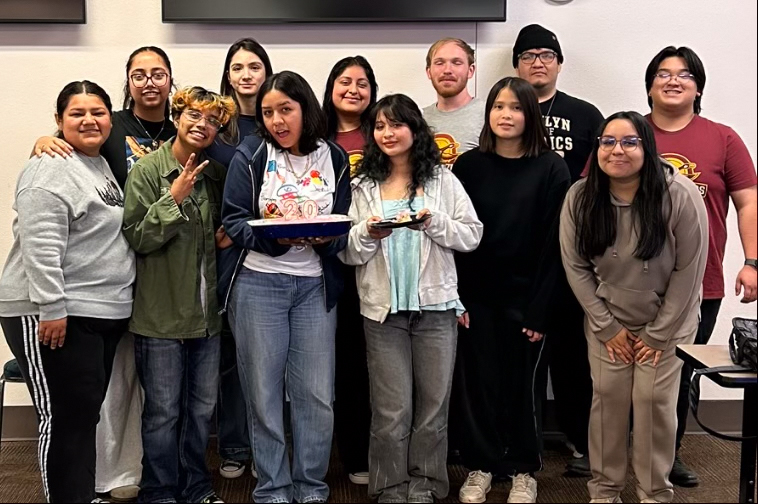
“It truly is a family,” Dickens declared.
As SCMS enters its second decade, its future is shaped by the very students it has supported. Former students return regularly to participate in meetings and volunteer activities. Some have even joined the program as staff. One current staff member, Rosa Teus, was herself an SCMS student just a few years ago.
Dickens sees that cycle continuing and expanding.
“One day, the children of former students will be at OCCC, and they will join SCMS,” he said. “It is a beautiful thought.”
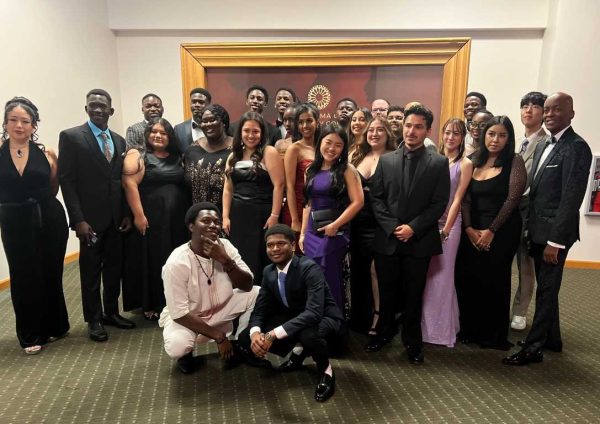
In a college environment, it’s easy for students to feel like numbers, but SCMS resists that anonymity. It creates space for students to be seen, heard and valued – not just for their academic potential, but for who they are as people. That sense of recognition can make the difference between persistence and giving up.
For Dickens, that impact is what continues to drive the program forward.
“I sincerely want students to know that SCMS will always be a home for them,” he said.
After a decade of growth, success stories and lasting relationships, SCMS has become more than a mentorship program. It has become a foundation – one that continues to shape not just students, but the lives they go on to build. Its legacy is measured not only in achievements, but in the confidence and purpose its students carry with them long after they leave campus.