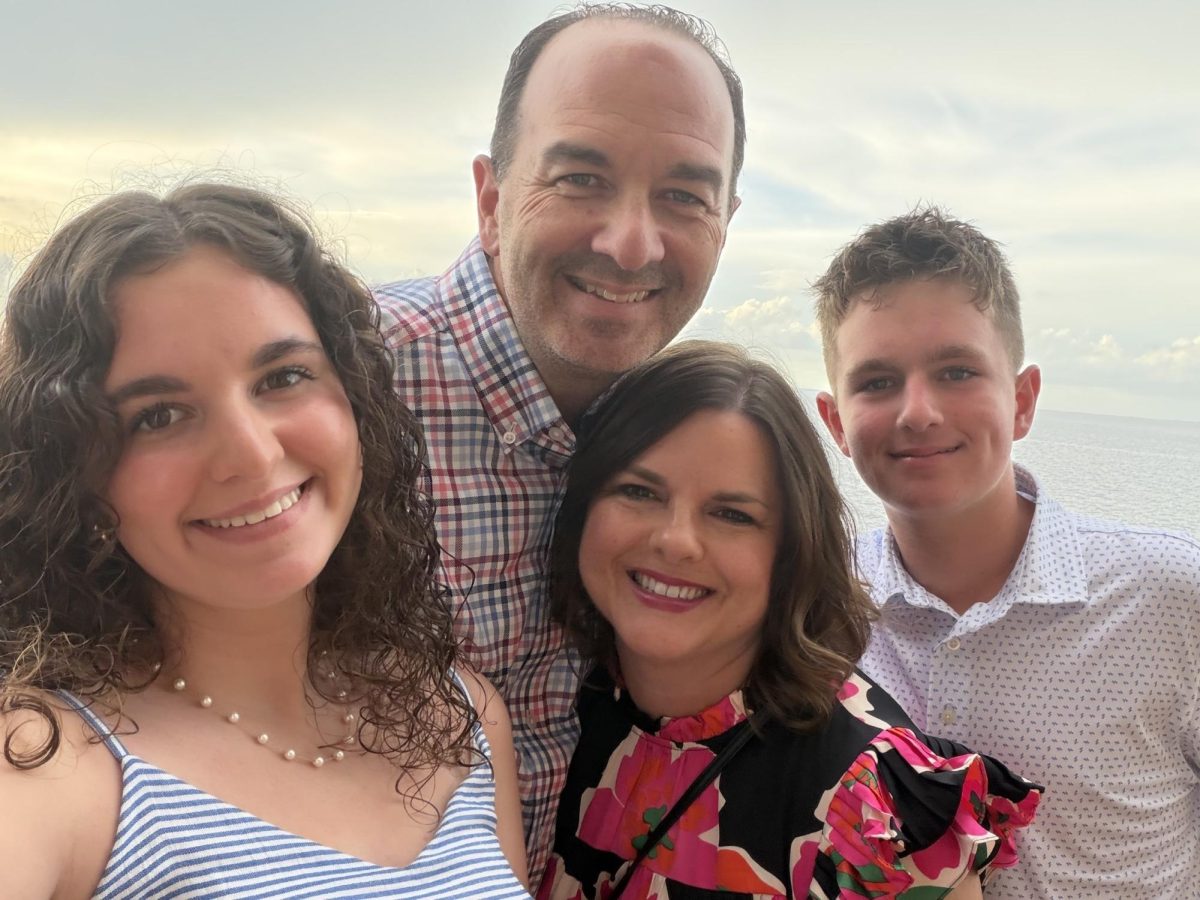












October of 2020 was a month that changed everything for my family – the month when my dad was diagnosed with ALS, a fatal neurodegenerative disease for which there is no cure.
ALS is a cruel disease. It paralyzes its victims, but they can still feel everything – every itch, every ache and every pain. My dad had a rare type of the condition that progressed with abnormal speed. Despite being given two to five years to live, he survived only a year and three months. Within half a year of his diagnosis, he was all but bedbound.
Still, by the time he died, he could at least talk, and that’s a mercy compared to many other victims of ALS. We didn’t know at the time of his diagnosis if that would be the case or not.
As if that wasn’t enough for my family to endure, his diagnosis came at the height of the pandemic and was followed by a series of unfortunate events that, together, felt insurmountable at the time.
Less than a week after his diagnosis, an ice storm knocked out our power for two weeks and caused many of the tree branches that hovered over our home to come crashing down, damaging the house in ways that remained largely unaddressed for years.
Because my dad was our main source of income, many of the things that I will talk about took months to resolve, and some of them never got addressed at all. Though it’s cheaper in the long run to address such problems sooner, we simply didn’t – and in some cases still don’t – have the means.
The ice storm was just the first in a series of disastrous events. To elaborate on all of them would take up too much space, so here are some highlights:
- Our car got wrecked, and we had to scramble to get a new one since DoorDash deliveries became our primary source of income.
- Our heating and cooling system broke down. To this day, we use kerosene heaters in the winter and portable air conditioning units in the summer.
- Our hot water stopped working. For six months, we boiled water on the stovetop if we wanted to take a hot bath.
- Our refrigerator broke. Until we could afford a new one, we stored what groceries we could in ice chests.
After his death in January 2022, things didn’t get much better. Within a year:
- The pipes burst, leaving our laundry room and kitchen without water. For the longest time, making regular trips to the laundromat and eating with disposable dishes became the norm.
- Our stove stopped working.
- My mother got sick. Apparently, she suffered from a phenomenon called the “widowhood effect,” leaving her on death’s door for months.
Still, I don’t want my first foray into talking about this situation in a public format to be entirely negative. Indeed, things could have been much worse if not for the support that we received from those around us. Some highlights of that generosity include:
- A flash freeze caused a main water pipe under the house to burst, and my mom’s aunt paid for a plumber to come fix it, preventing further flooding.
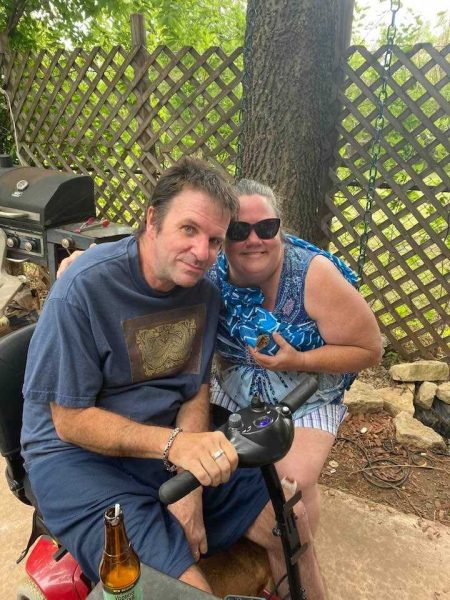
- My uncle, a welder, built a ramp for our front porch, giving my dad more freedom with his electric scooter.
- During one of our trips to Austin, Texas, for a medical trial my dad was involved in, our new car broke down. My mother’s best friend drove all the way down there, took my dad to his medical trial, towed our car back to Oklahoma City and repaired it.
- I would be remiss not to mention the financial help that we received from my mother’s friends and family. More important than that, however, was the immense emotional support that my mother received.
The reason I wanted to talk about this is simple: Things can feel apocalyptic at times, but I want to show that recovery is possible.
I also want to encourage those facing what seem like insurmountable odds not to overlook the blessings that may come their way. When you’re carrying an overwhelming amount of stress around with you, even the slightest bit of relief can feel significant.
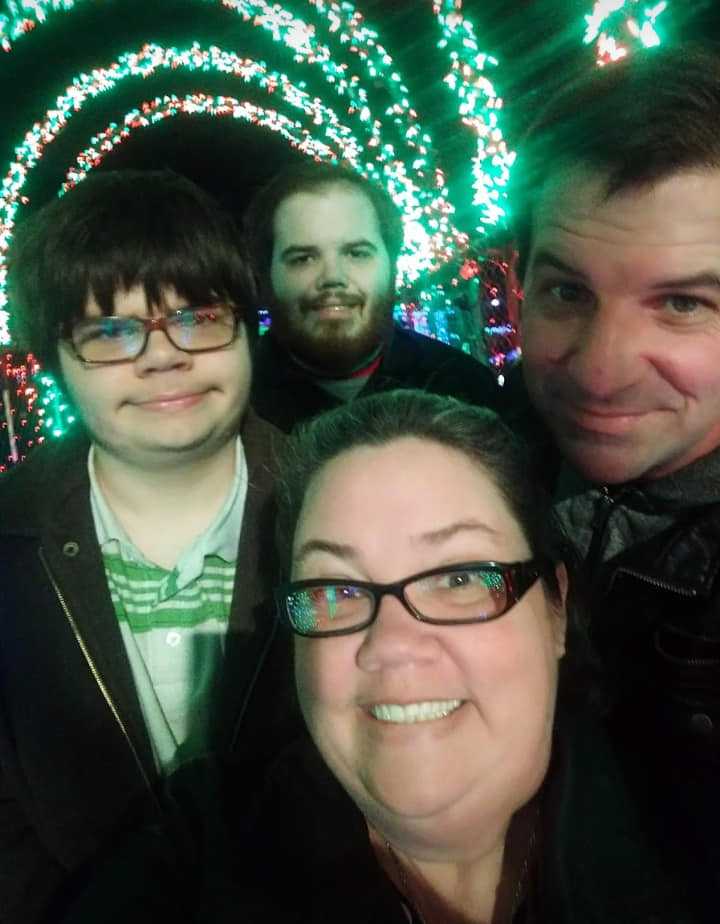
During the pandemic, hospice respite care was halted, meaning that it was up to me, my mother and my little brother to take shifts to ensure that my dad’s needs were always met.
While my brother could not handle more involved tasks, such as cleaning or feeding my dad, the two spent quite a bit of time together watching TV, allowing my mother and me to focus on our DoorDash duties or, on rare occasions, get some time to ourselves.
I cannot overstate the importance of that ability to get some mental rest. As a college student, I have known many peers who work themselves to their own detriment.
Sometimes, there isn’t a choice but to do so, though I find that it’s more often the case that people take on more than they can handle, thinking it will help in the long run. Maybe that’s true, but I want to pose the question: Is it worth it if the cost is your mental health?
I want to end this piece on a positive note. My dad wanted to have a positive impact. For those who knew him, he did. For those who did not, I hope that his story – and ours – might serve to inspire someone who doesn’t see a way forward. If I can do that with this column, then I will have done my job.
We all struggle. My mother taught me early on that just because someone else’s struggles aren’t the same as mine, that doesn’t make either one any less valid. It’s okay to stumble in the dark, but I truly believe that failure only becomes an absolute reality once we give up.
Have hope and know that you are not alone.