


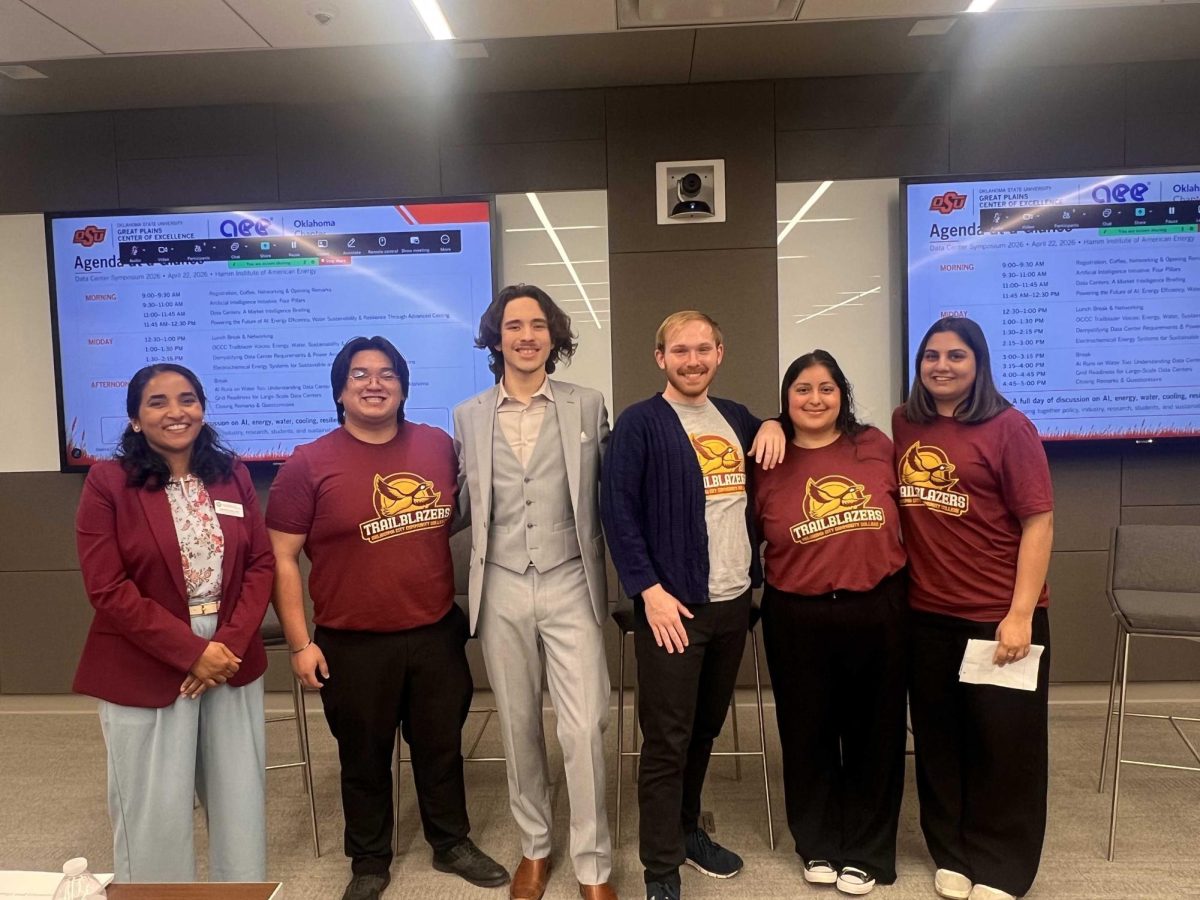











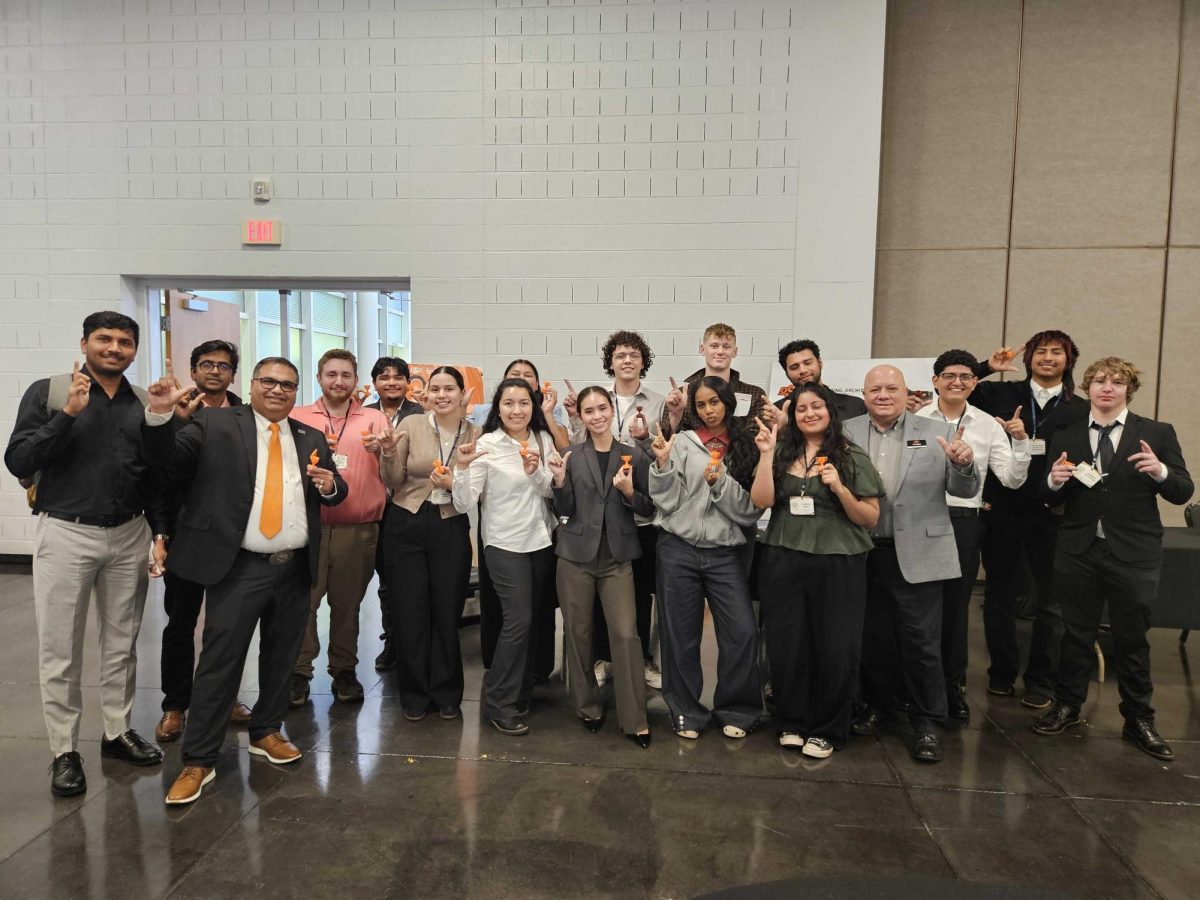
OCCC engineering students recently stepped outside the classroom and into the world of professional energy engineering when they attended the 2025 Roger Farrer Energy Conference, an event hosted by the Oklahoma chapter of the National Association of Energy Engineers (also known as AEEOK).
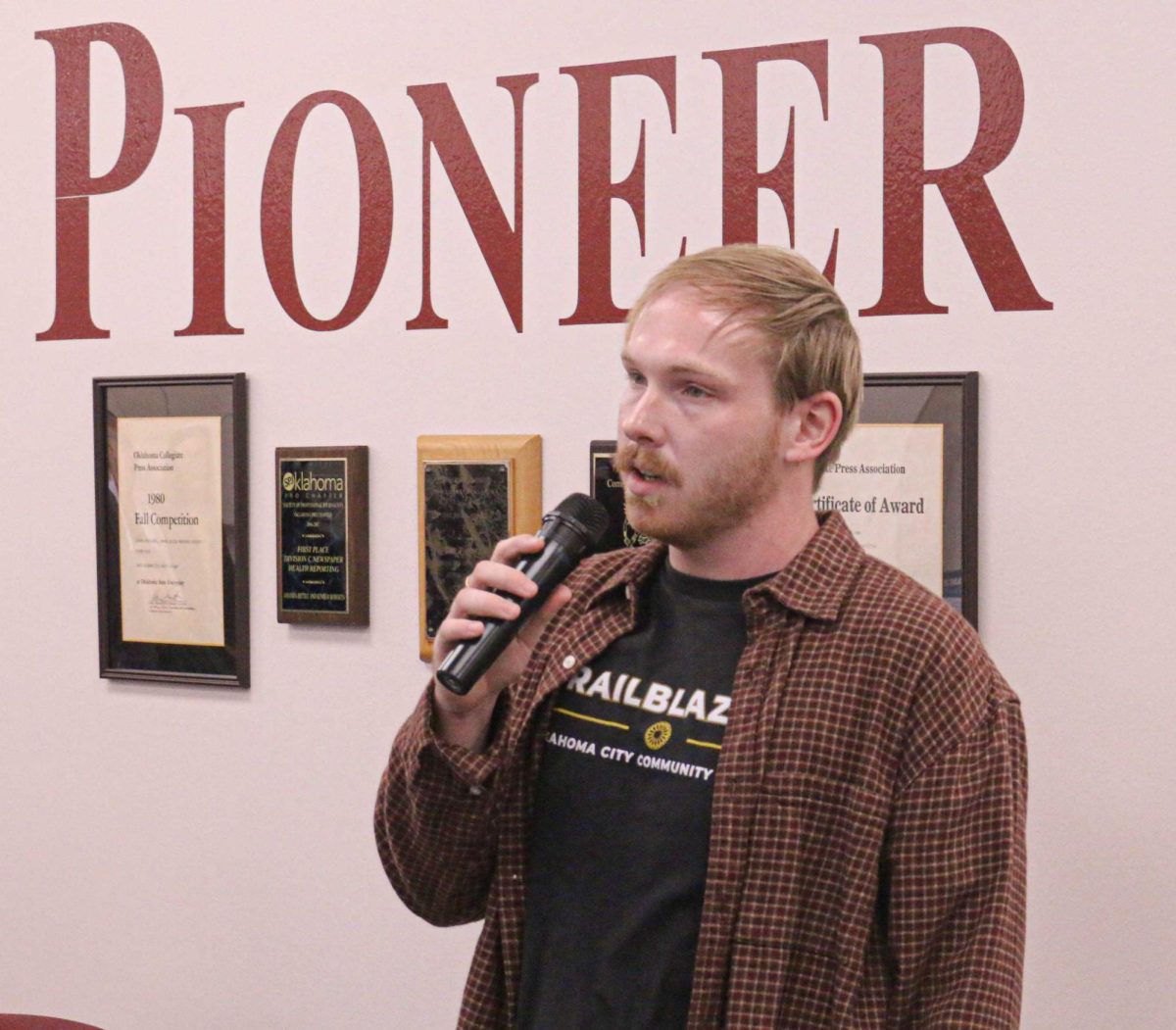
Led by OCCC engineering instructor Wyatt Main, the group found themselves in a unique position: They were the only students in a room full of industry professionals. Instead of being intimidated, they embraced the opportunity to observe, learn and ask questions in a setting most community college students rarely get to experience so early in their academic journey.
Main said he was impressed by how smoothly the conference was organized and by the quality of the presentations. What surprised him was the absence of students from other colleges.
“I thought there would be more students,” he admitted with a small laugh.
But for the engineering students from OCCC, the situation worked out very well. With no other student groups to blend into, the OCCC students stood out in the best possible way.
Throughout the conference, students were introduced to a wide range of topics tied to renewable energy and emerging technologies in the field. One session focused on new-generation renewable battery systems that companies are beginning to deploy. Another introduced a mobile energy trailer equipped with solar panels, small wind turbines and other energy sources designed to supply power in remote locations or during emergencies. Students also listened to a talk about micro-grids, small independent energy systems capable of powering a home or facility without relying on the main grid, a concept that becomes crucial after natural disasters when rapid recovery is needed.
For many students, some of the technical details went beyond what they have covered so far in their coursework. Still, Main believes this type of exposure is incredibly valuable.
“They enjoyed the conference,” he stated. “Even if some content was out of their depth, they now have something they can connect back to later when they learn more in class.”
Main noted that students didn’t just sit quietly; several of them asked questions at the end of the talks, showing that they were not just present – they were genuinely engaged.
In addition to the educational value that it provided, the conference also opened doors for professional networking opportunities. Main emphasized that part of becoming an engineer is learning how to navigate the industry outside of school.
“You might meet someone now and not need them until years later,” he explained. “But when you run into a problem that isn’t your specialty, having that contact can make all the difference.”
He believes moments like these allow students to start building their professional identities long before graduation.
AEEOK President Kumar Mayank echoed that sentiment in a statement provided on behalf of the executive board. He expressed pride in OCCC students for attending the conference and highlighted AEEOK’s ongoing efforts to support them.
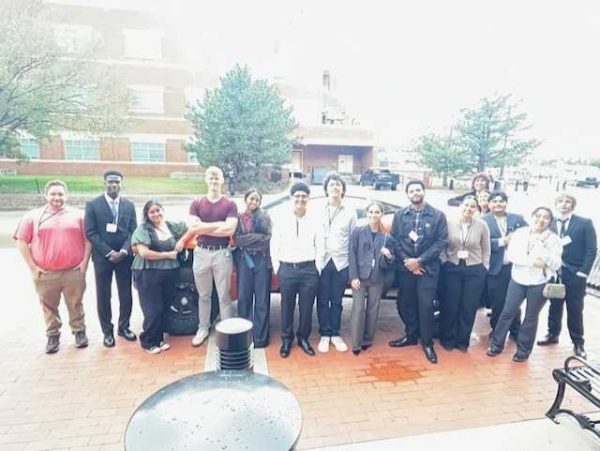
The organization is currently working with OCCC to establish an official student chapter, which would give students access to mentorship, scholarships, internships and energy-related training led by Oklahoma State University faculty and industry experts. Mayank emphasized that AEEOK values its partnership with OCCC and looks forward to helping students grow academically and professionally.
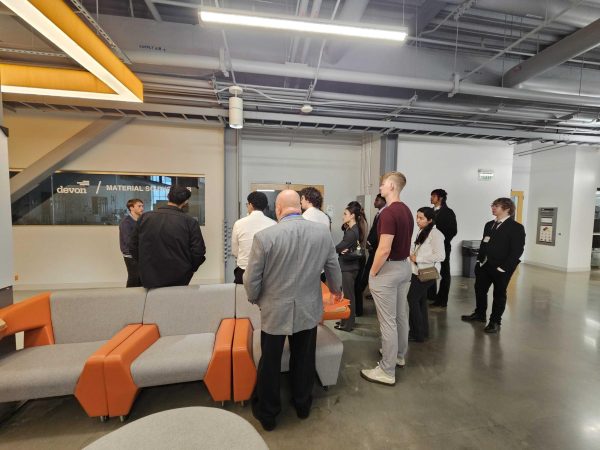
The trip didn’t end at the conference. Students also toured the University of Oklahoma’s Endeavor Lab, where they explored engineering facilities, saw specialized equipment up close and observed senior-level projects. For many, it was their first glimpse into what a four-year engineering program looks like beyond brochures and websites.
Main hopes trips like this become a regular part of the OCCC experience. By allowing students to walk through other campuses, meet faculty and see real research happening, they gain a clearer sense of what their next steps could look like after completing their associate degrees.
Looking back on the day, Main said he was proud to see how his students carried themselves. For him, watching the students learn, ask questions and imagine their futures made the experience worthwhile.
“It gives them an idea of what the profession they’re working toward will be like,” he said.
Main believes opportunities like this not only motivate students but also help them picture the kind of engineers they want to become.