















OCCC is opening new doors for students interested in culture and history with the launch of two new micro-credentials: one in Native American studies and a second one in museum studies. These programs, developed through partnerships with the First Americans Museum and a pair of local history-focused museums, aim to give students real-world experience while allowing them to explore Oklahoma’s rich history.
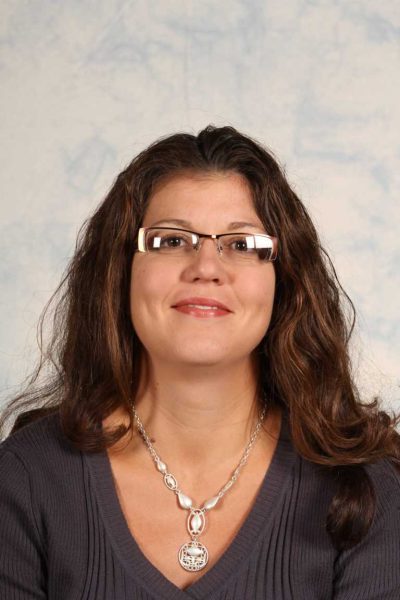
Chair of History Leslie Jones explained that micro-credentials are short, skill-based programs that give students specific training in a focused area. Unlike traditional degrees, they allow students to combine courses from different disciplines with hands-on experience that connects directly to the workplace.
“Micro-credentials are a way to give students skills that often cross divisions or even disciplines,” Jones said. “If you’re a history major, you might not have access to a museum studies course, so this program bridges that gap.”
The new Native American studies micro-credential was born from a collaboration between the history department and the Arts, English and Humanities Division. Students will take two courses – Native American History and Museum Studies – and then complete 30 hours of job shadowing at the First Americans Museum. During their time there, they will get the chance to participate in special projects, such as oral history collections and other museum-based research.
Jones said the idea came to her after she noticed students showing strong interest in museum work but lacking practical opportunities.
“We had students asking about museum studies and internships,” she said. “Our existing internship (at a local history museum) is 120 hours, so I wanted to create something more accessible, something that still gives real experience but fits better into students’ schedules.”
The new micro-credential makes that possible. It provides valuable exposure for students before they commit to a full bachelor’s or master’s degree in museum studies.
“This is a great way for students to see what museum work is really like before they dedicate years to studying it,” Jones explained.
While the First Americans Museum partnership is already active, a similar agreement with two local history museums is currently under development. If approved, the latter partnership will allow students to follow up their coursework in Oklahoma history and museum studies with shadowing experience at an Oklahoma City-based history museum. Jones said the paperwork is nearly complete, and the department plans to start promoting both programs early next year.
Promotion efforts will include flyers with QR codes and direct outreach to history and museum studies students. Jones hopes that by the fall semester, students will be signing up for these new opportunities.
When asked what inspired her to include Native American studies among the expanded opportunities, Jones shared a personal connection.
“I’m Indigenous, a member of the Muscogee Nation,” she said. “It’s very important to me. I fell in love with the First Americans Museum and wanted to find a way to connect our institution with theirs.”
She also emphasized the importance of teaching Native American history in Oklahoma classrooms.
“Oklahoma has one of the largest Indigenous populations in the country,” she said. “Our state’s history reflects everything that happened in the U.S., but in a concentrated form. Students should understand that history. It’s part of who we are.”
Jones believes these programs will give students a rare, behind-the-scenes view of how museums preserve and share stories.
“This is your chance to go behind the rope, to see what’s usually off limits to the public,” she said. “As a student myself, I would have loved this opportunity.”
The micro-credentials, which are open to all students, can serve as a valuable step toward careers in history, curation and cultural preservation. For Jones, who has worked at OCCC for 18 years, it’s another way to stay true to her passion for student success.
“Whenever I teach,” she said, “I remind myself that if students aren’t learning, I need to adjust my teaching. It always must be about them.”