















OCCC students now have a new way to make their academic dreams possible through the recently launched Funding Undergraduate Experiential Learning initiative.
The F.U.E.L. program, developed by the OCCC Student Affairs Department, aims to help students cover some of the costs for co-curricular learning opportunities such as conferences, seminars and study abroad trips – including the upcoming planned trip to Iceland.
“Any current student is eligible to apply for F.U.E.L. funding,” said Associate Vice President for Student Affairs Christopher Snoddy. “Students should identify their desired learning experience, acquire the registration details, review the application and then fully complete the application before the experience registration deadline.”
That deadline, Snoddy said, is 45 college business days prior to the regular registration and payment deadlines for experiences such as study abroad trips. The program is designed to ensure that students who prepare early and complete their applications in full have the best chances of approval.
The F.U.E.L. initiative is funded through a portion of the student activity fees that OCCC collects to enhance the quality of student life and support extracurricular learning experiences. Snoddy said the goal is to make the available funds reach as many students as possible.
“There is a limited allotment of funding that can be dedicated to this initiative, which is in its pilot year,” he said. “The intended purpose of the ($1,000-per-student) cap is to share the limited total allotment with as many students as possible in a standard, non-discriminatory manner.”
According to Snoddy, co-curricular experiences funded by F.U.E.L. include “activities outside of classrooms that connect directly to what students learn inside classrooms.” These experiences range from service-learning trips and academic conferences to study abroad programs, which he said have been the most common type of application so far.
Registration costs for eligible experiences can vary widely, ranging anywhere from $50 to $6,000 depending on location, travel and program design.
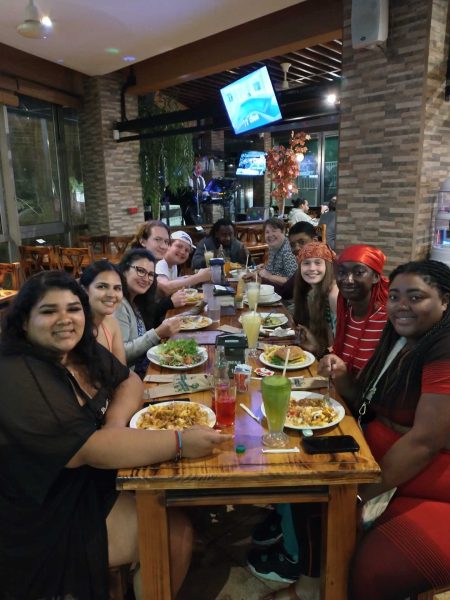
The creation of F.U.E.L. came in response to student needs that were not previously covered under OCCC’s existing funding programs.
“The F.U.E.L. initiative was borne out of questions posed to the F.R.E.E.S. (Funding Requests for the Engagement of Every Student) Committee, which manages requests from campus departments and organizations to fund activities, events and programs for all students,” Snoddy said. “Whereas F.R.E.E.S. funding is for activities, events and programs, it was not designed to fund individual experiences. So, we proposed and designed a pilot initiative and process to address the interest and requests for providing funding assistance to individual co-curricular experiences.”
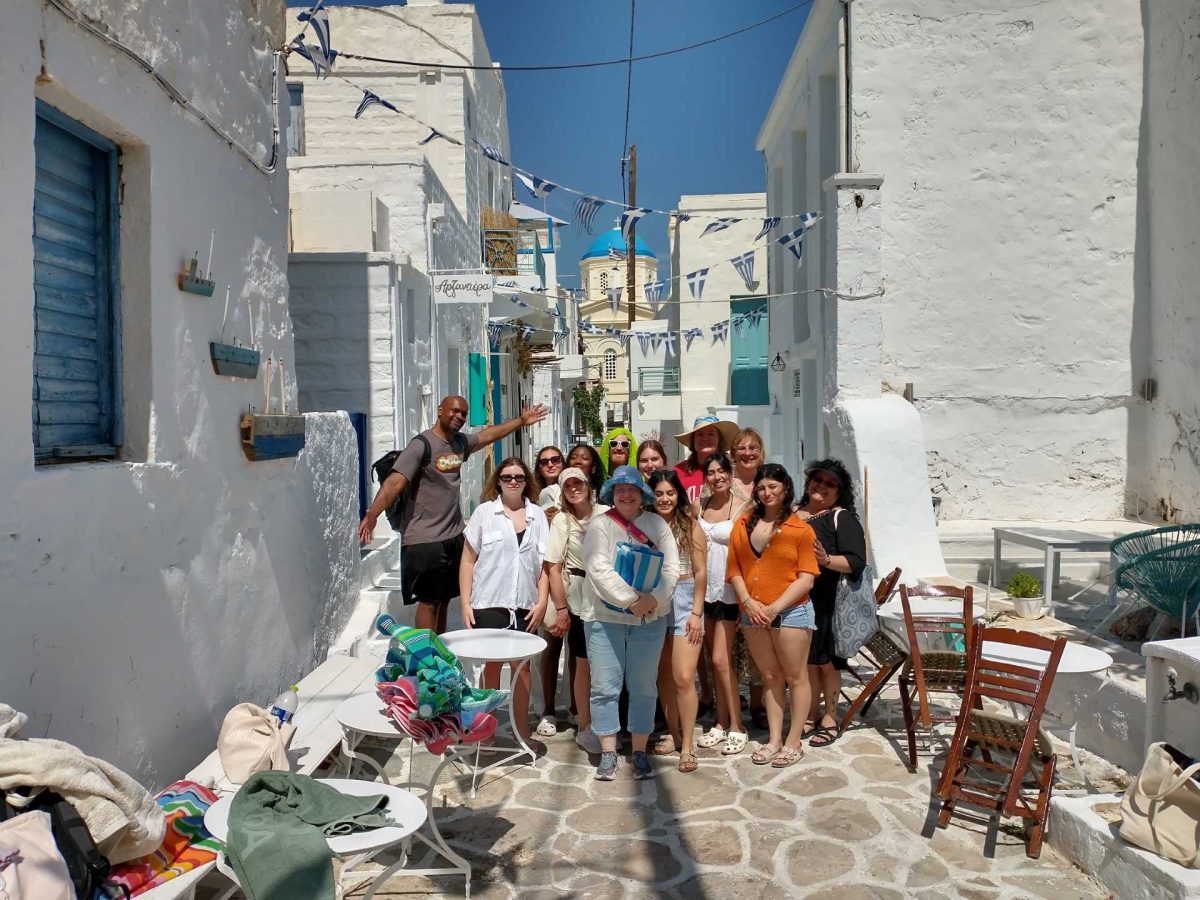
One of the upcoming opportunities that could benefit from the initiative is OCCC’s first study abroad trip to Iceland, which is set to take place in May of 2026 under the direction of Professor of Geography Julie Rice-Rollins.
“This will be our 18th trip that OCCC has taken abroad,” Rice-Rollins said. “It will be the sixth one that I have done. We’ve taken students to Ireland, Japan, Greece, Central Europe and Costa Rica, but this will be our first time going to Iceland.”
The Iceland trip will focus on landscape, culture and sustainability, offering two hours of course credit. Students have until Dec. 21 to register, with a minimum of 10 students required for the trip to move forward.
“It’s going to be our coldest trip,” Rice-Rollins said with a laugh. “But by cold, I don’t mean super cold – people will just want to bring a jacket.”
Rice-Rollins said the Study Abroad Association organizes OCCC’s trips and provides a safe and guided experience for participants.
“You are not alone in this,” she said. “Everything is included – your meals, lodging and airfare. If you didn’t have any money to spend extra for souvenirs or stuff like that, you’d be perfectly fine. It’s a safe way of putting yourself out there and giving yourself confidence for your next adventure.”
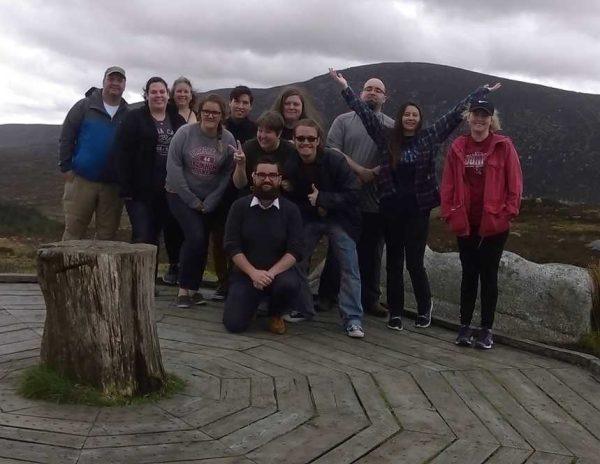
Having studied abroad herself in Europe in the early 1990s, Rice-Rollins said the experience changed her life and continues to shape her teaching style.
“There are very few things in my life that have been more impactful than that study abroad experience,” she said. “I have wanted to share that with students ever since.”
Rice-Rollins said that the most common takeaway from OCCC’s study abroad participants has been a deeper understanding of the global community.
“They realize that we’re not alone,” she said. “It gives them a sense of a world community and not just the United States. Even if you don’t speak the language, you can still communicate. It makes them greater world citizens.”