
















Technology is no longer limited to computer screens. It’s in the air, in our cities and even in the human body. At OCCC, students are learning to shape that future through programs in Computer-Aided Design (CAD), Unmanned Vehicle Systems (UVS) and Geographic Information Systems (GIS).
These programs, offered through the OCCC Division of Business and Information Technology, combine creativity, engineering and innovation in ways that help students step directly into growing technical careers.
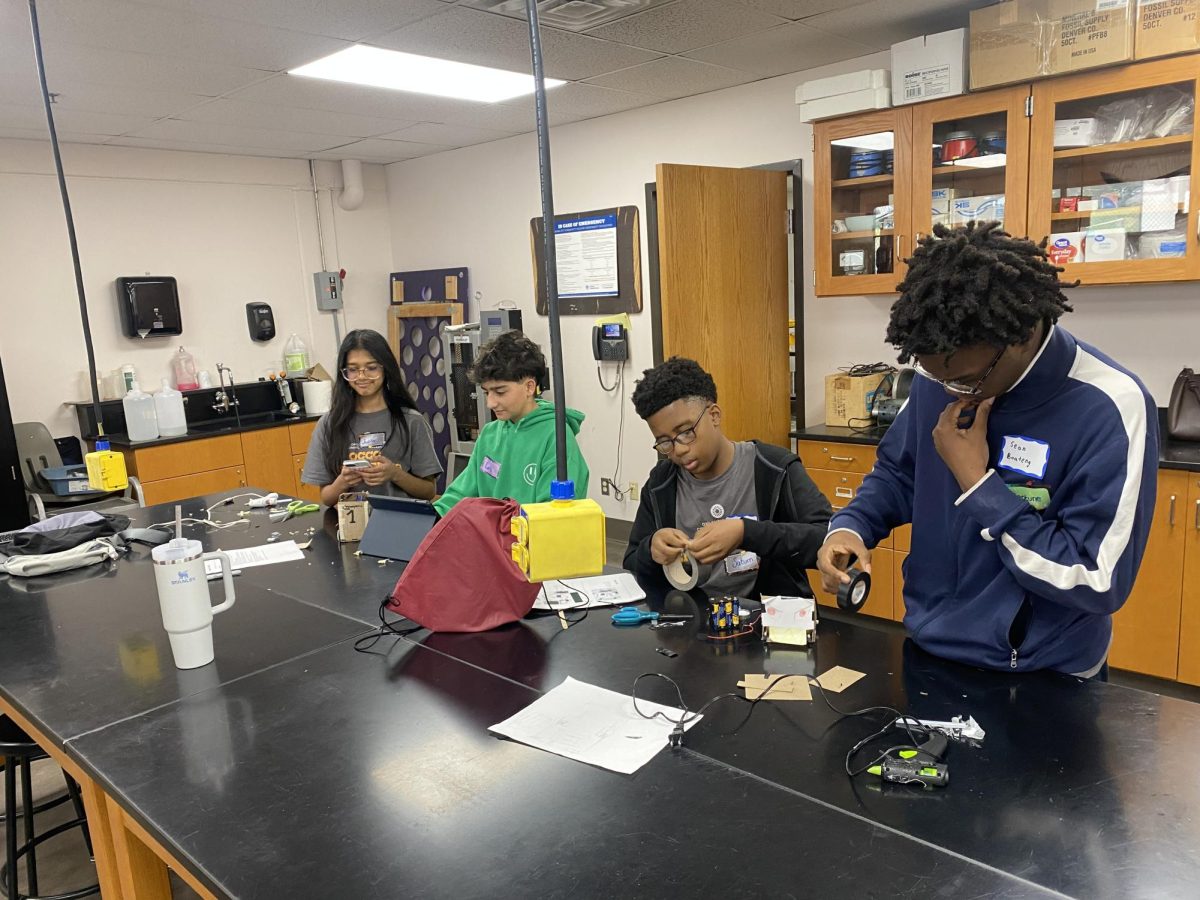
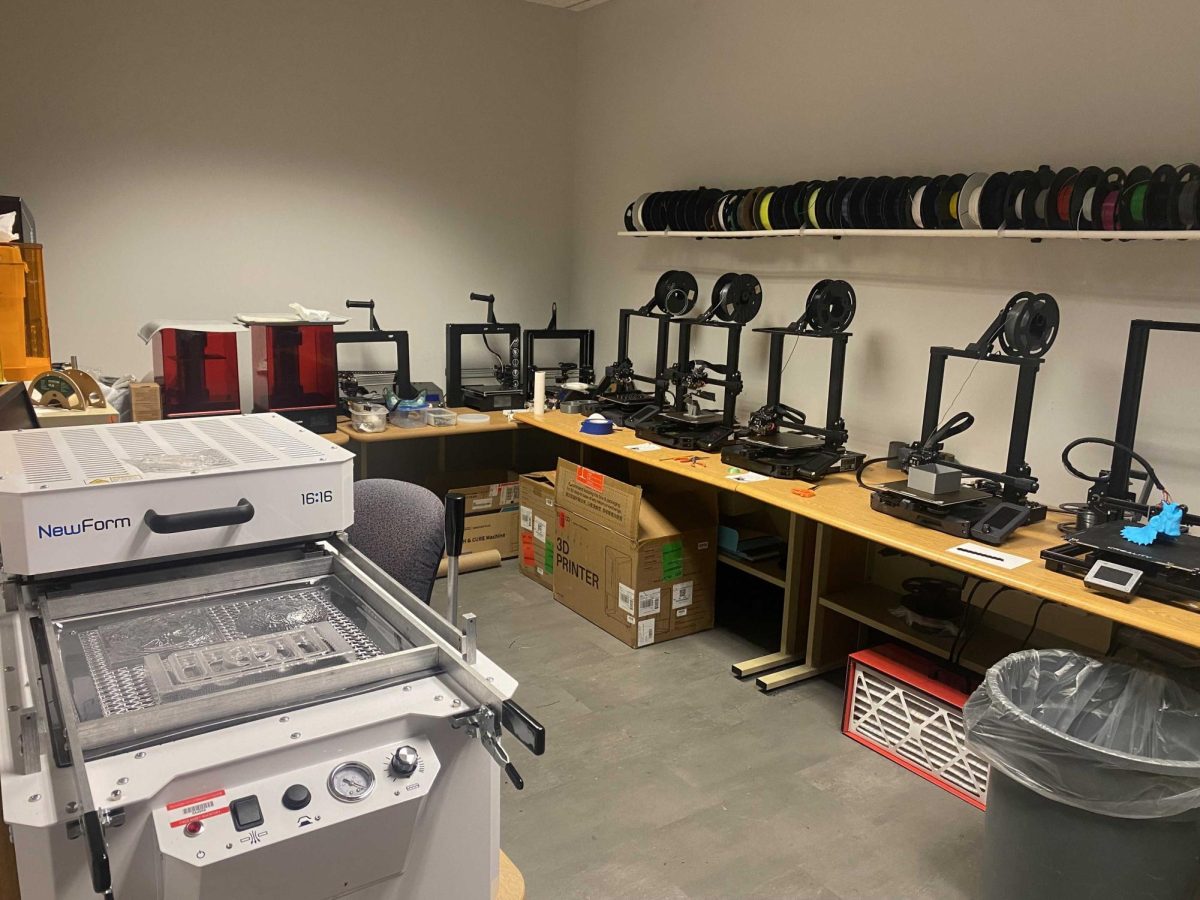
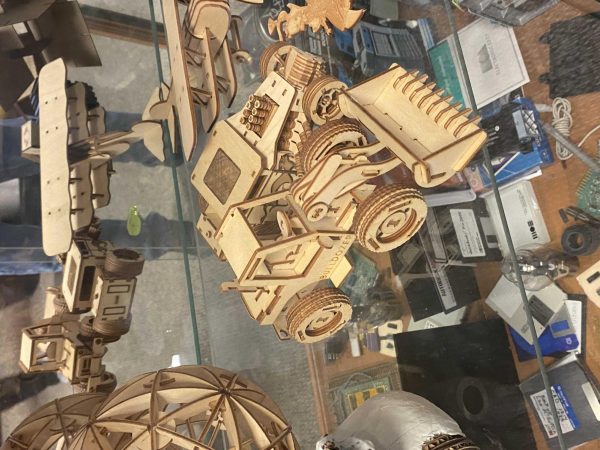
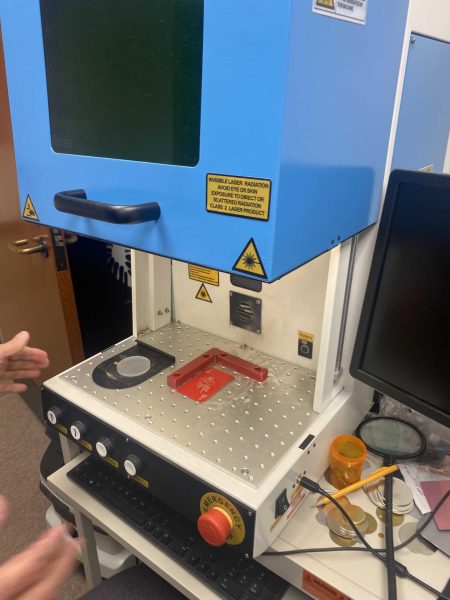
As the student computer lab supervisor for that division, Gary Dominguez plays a major role in helping students explore this new frontier. He teaches digital fabrication, a class where students use CAD software to create designs and bring them to life using 3D printers, laser cutters and Computer Numerical Control (CNC) machines.
“Digital fabrication is one of those courses that mixes precision with creativity,” Dominguez said. “It’s for people who like working with computers but also want to make something they can actually hold in their hands.”
Dominguez said digital fabrication connects with many different industries. In specialties ranging from fashion and art to medicine and aerospace, technology is being used to solve real-world problems.
Researchers, for example, have successfully 3D printed organs, prosthetic body parts and even a working frog heart. According to Dominguez, such examples show how technology and biology can come together to change lives.
Students at OCCC also get the chance to participate in exciting competitions. Two of Dominguez’s students recently entered a NASA design contest where they created 3D-printed parts as part of their project – and they won. Their prize included a three-day trip to NASA’s facilities.
Beyond fabrication, OCCC’s programs give students a wide variety of hands-on experience. The UVS program allows students to build and fly drones, from small models to advanced aircraft.
“We’re getting a high-end drone – the kind law enforcement uses,” Dominguez said. “It’s large, powerful and can even fly back and recharge itself automatically.”
Learning how to build, program and control drones prepares students for jobs in photography, surveying, delivery services and emergency response.
Meanwhile, students in the GIS program learn to collect and analyze spatial data. GIS technology is behind many of the maps used for city planning, environmental monitoring and transportation networks.
Dominguez said what makes OCCC’s approach different is the hands-on learning environment. His courses don’t focus on traditional exams or quizzes – instead, students are graded on their projects. They are required to come to the lab and use the real equipment, not just study from a screen.
“It’s like trying to teach surgery without ever touching a scalpel,” he explained. “You can’t truly learn fabrication or design without working with the machines.”
The college’s computer lab is a creative hub that welcomes students from all programs, not just technology majors. Nursing students, math students and art students often come in to use digital tools. The lab is equipped with tablets, styluses and design software that supports a wide range of disciplines, including digital media design and computer graphics.
Dominguez said many students begin their academic journey at OCCC before transferring to four-year universities such as the University of Oklahoma. The college’s open-door policy makes it easier for students who might not meet university admission requirements to start here, build their skills and move forward.
For students worried about career opportunities – including international students – Dominguez feels confident that the future looks bright.
“There’s a real demand for people who can actually use the software and equipment,” he said. “Companies are looking for skilled designers, programmers and technicians. If students study areas like CAD, computer science or networking, they’ll find jobs – even without a bachelor’s degree.”
Some graduates have landed government-related jobs at places like the Oklahoma Department of Transportation, Tinker Air Force Base and the Federal Aviation Administration, while others have launched small businesses in design or drone services.
Dominguez encourages students who are curious to stop by and see the lab for themselves.
“Most people who visit know right away whether this is something they want to do,” he said. “When they see a design they made come to life on a 3D printer, that’s when it clicks. They realize they can create almost anything.”
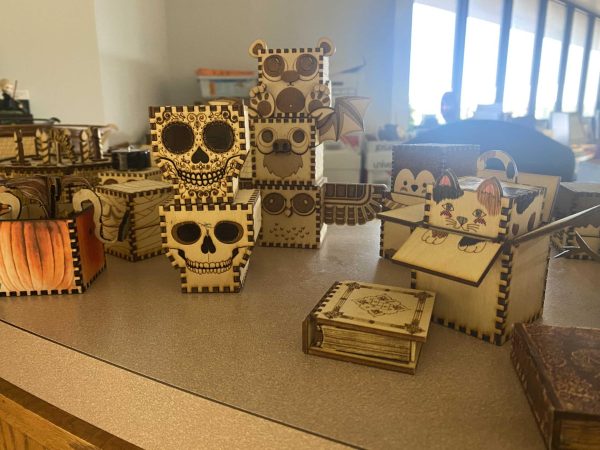
Through these programs, OCCC gives students more than just technical skills. It gives them a chance to innovate, explore and imagine. Whether through a 3D-printed creation, a drone in flight or a digital map of a future city, students are proving that technology at OCCC is more than a subject – it’s a gateway to possibility.