


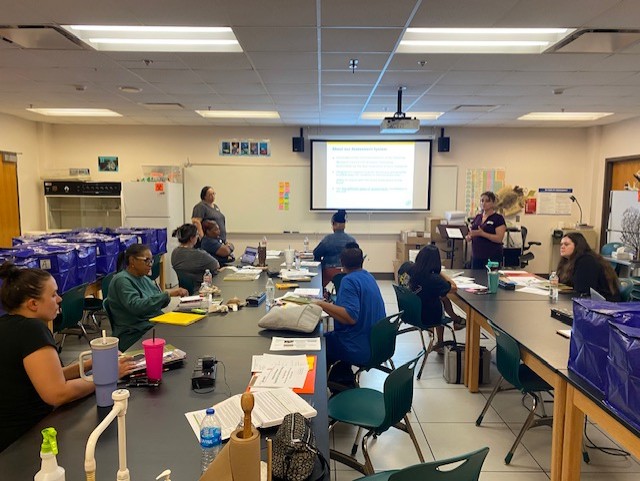














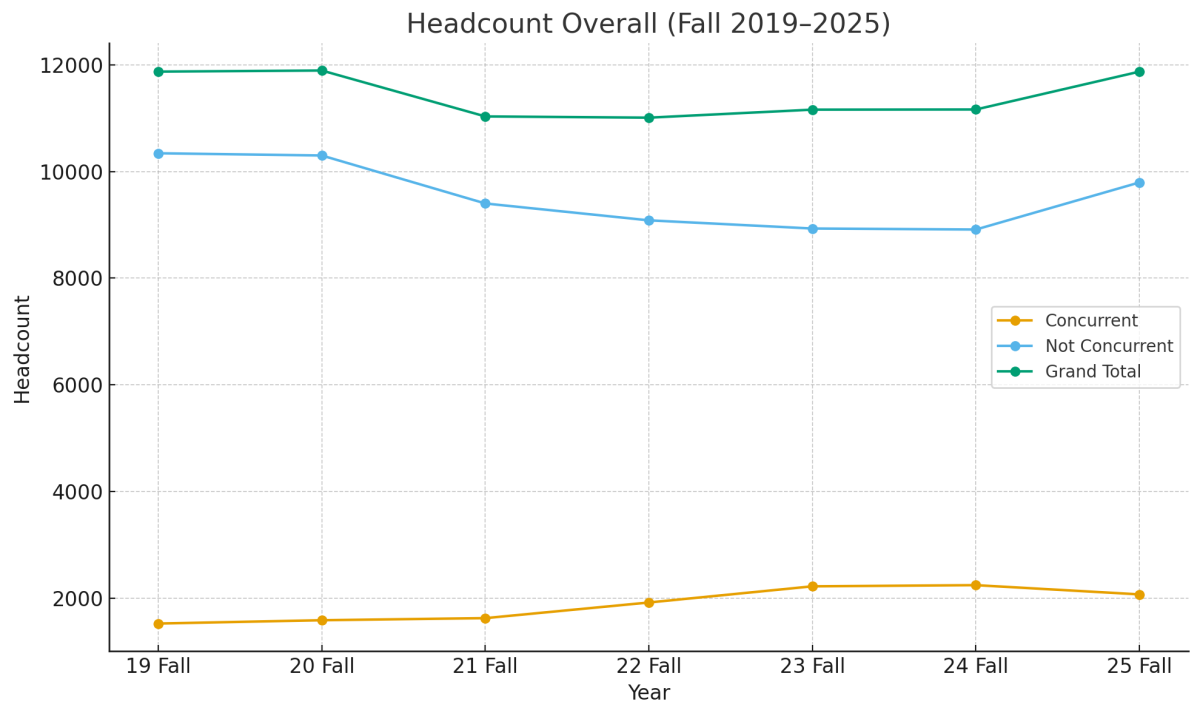
OCCC is experiencing its largest student enrollment since before the COVID-19 pandemic, marking a significant milestone in the institution’s growth.
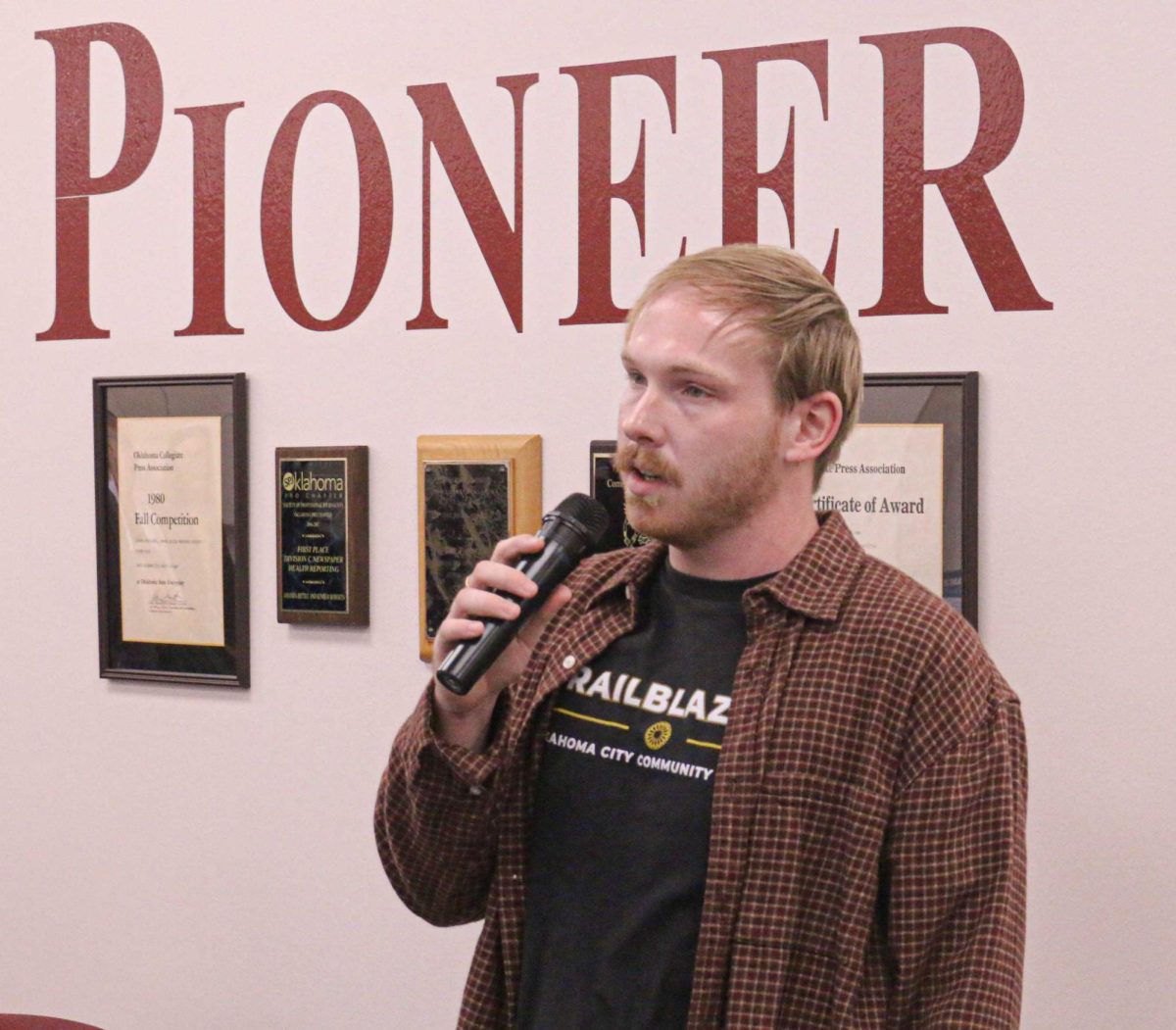
The surge reflects both an increase in new students and stronger retention rates, according to Dr. Liz Largent, vice president for academic affairs.
“New and returning students are both up,” Largent said. “That means retention is higher, and we have a larger group of new students as well.”
Enrollment at OCCC had declined in the years following the pandemic, mirroring national trends across higher education. But this fall, the college saw a reversal, with overall numbers rising by double digits compared with last year. While “concurrent” enrollment – which allows high school students to take college courses – declined a bit, enrollment among traditional students and returning adult learners has grown significantly.
Largent said that increase is a testament to the college’s reputation.
“OCCC offers an amazing product and experience, and that’s what students are looking for,” she said. “Students tell us how friendly and supportive the faculty and staff are, and they find the degrees here really help them move to the next step, whether that’s the workforce or transferring. It really is the quality of the experience and programs we offer.”
She also pointed to affordability and word of mouth as key factors drawing students in.
“When they come to campus for a tour and get to talk to our staff and faculty, they just find themselves drawn,” Largent said. “It’s friendliness, affordability and effectiveness.”
Faculty members across campus are seeing the effects firsthand. In the journalism and broadcasting program, for example, every course has reached record levels of enrollment.
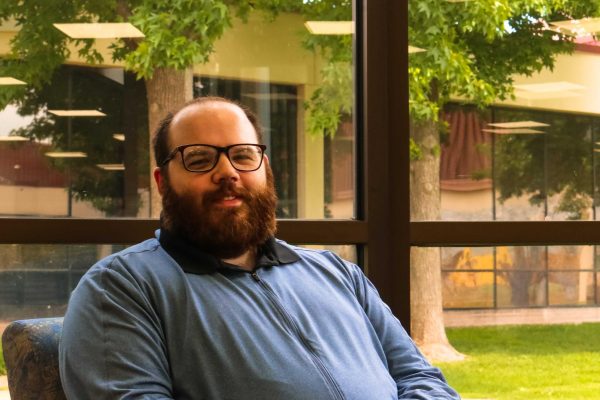
David Zeoli, coordinator of broadcasting, said he anticipated low turnout in his sound production course this fall since he had just offered the same class during the spring semester. Instead, much to his delight, the course filled all 20 available seats.

“We kind of thought we were going to take a hit,” Zeoli said. “We wanted to make our sequence easier for students to handle, knowing we might take a hit in audio production. And it turned out we were dead wrong.”
Other classes in the department, such as media writing, advertising and public relations, also reached or neared their maximums.
“All of the journalism and broadcasting courses are at their highest levels of enrollment in the past four years,” Zeoli said.
For him, the growth in nontraditional students is especially notable.
“You have concurrent students, which are high schoolers, then traditional students who come right out of high school, and then you have nontraditional students,” Zeoli said. “Older students. People who come back. People who retrain. People who never did it or dropped out, like me.”
Zeoli, who returned to college as a 43-year-old freshman after leaving school three times in his teens and 20s, said he sees more students following a similar path today.
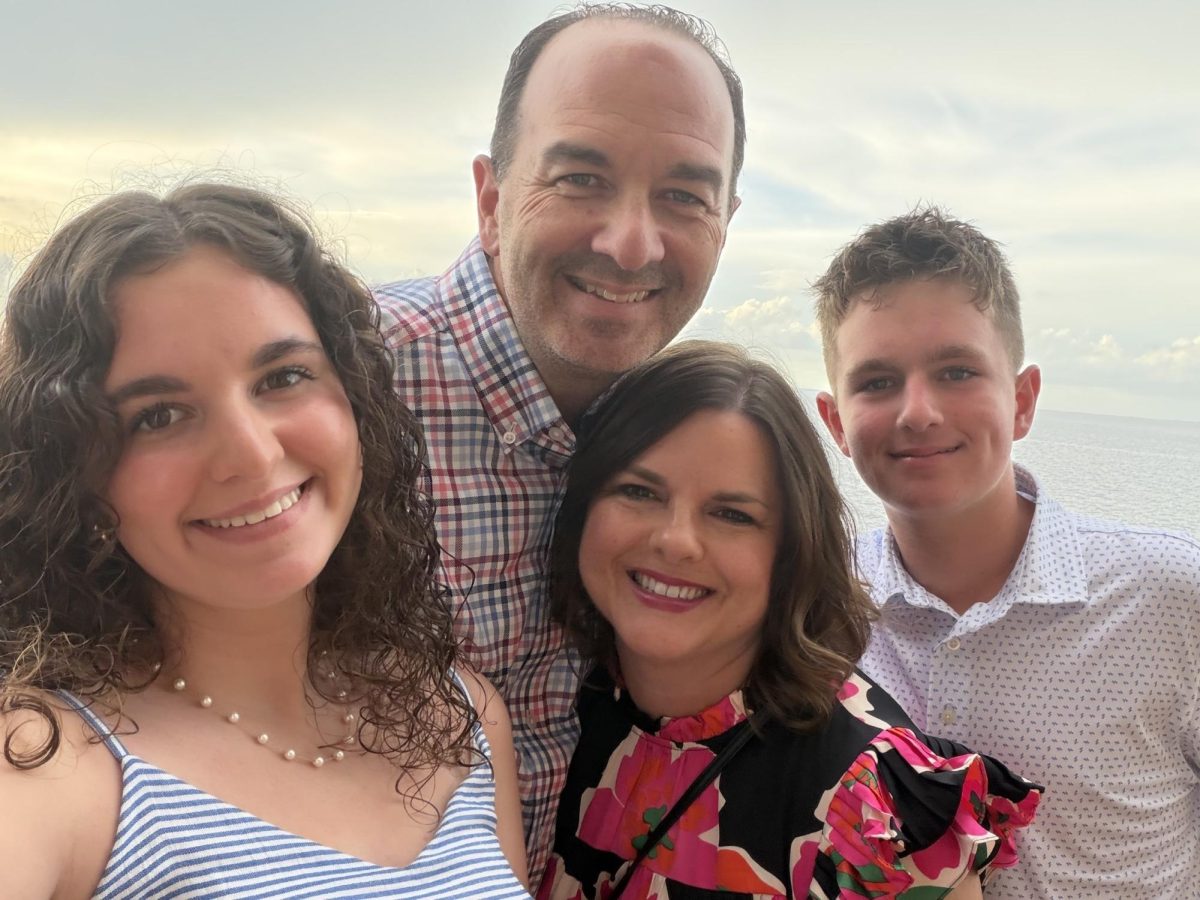
Dr. Jennifer Fike, dean of the Arts, English and Humanities Division, said the increased numbers are energizing both faculty and students alike.
“It’s super exciting because energy leads to energy,” Fike said. “When more students are on campus, there’s more activity and more interactions. It just makes it feel like a more exciting place to be.”
Fike said her division saw an increase in enrollment overall, with some departments getting even larger gains. She credited the positive atmosphere that comes with fuller classrooms.
“It boosts excitement and makes people feel like this is a great place to be,” she said. “It also gives us opportunities to find more ways to serve students.”
Fike speculated that national economic uncertainty may be influencing some of the enrollment patterns. Historically, college enrollment tends to rise when people look to retrain or secure credentials during periods of instability.
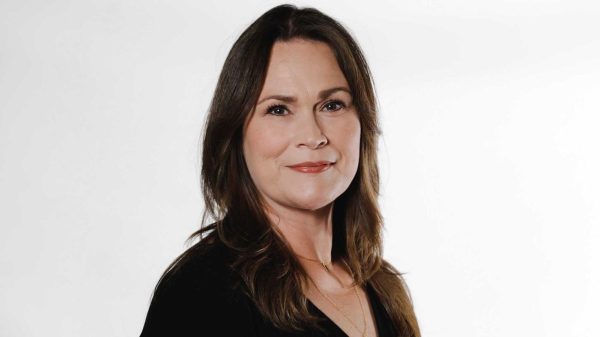
Largent said OCCC’s flexibility has been a strong draw, with options ranging from two-week accelerated courses to traditional 16-week semesters offered in online, hybrid and in-person formats.
“No matter when or how you need to learn, we offer an option for everybody,” she said. “That flexibility is one of our strong suits.”
She added that maintaining the momentum will require innovation and responsiveness to workforce needs.
“We never stop pushing, looking and trying to make sure we’re as good as we can be,” Largent said. “It’s about staying in tune with what the workforce demands of a graduate.”
Though concurrent enrollment has dipped, campus leaders say OCCC’s growth among traditional and nontraditional students puts the college in a strong position.
“You missed a lot of activity on campus during the pandemic,” Fike said. “Now, there’s this positive energy again. It’s good for the college, it’s good for students, and it’s just good for the atmosphere.”