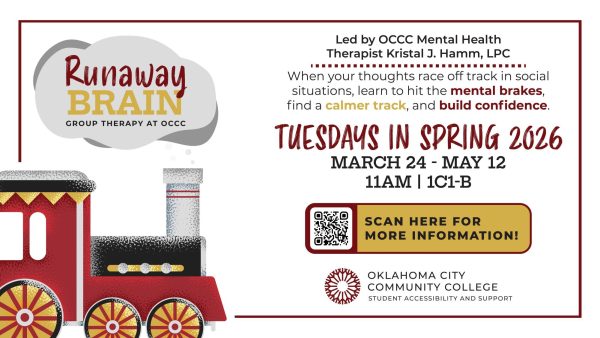










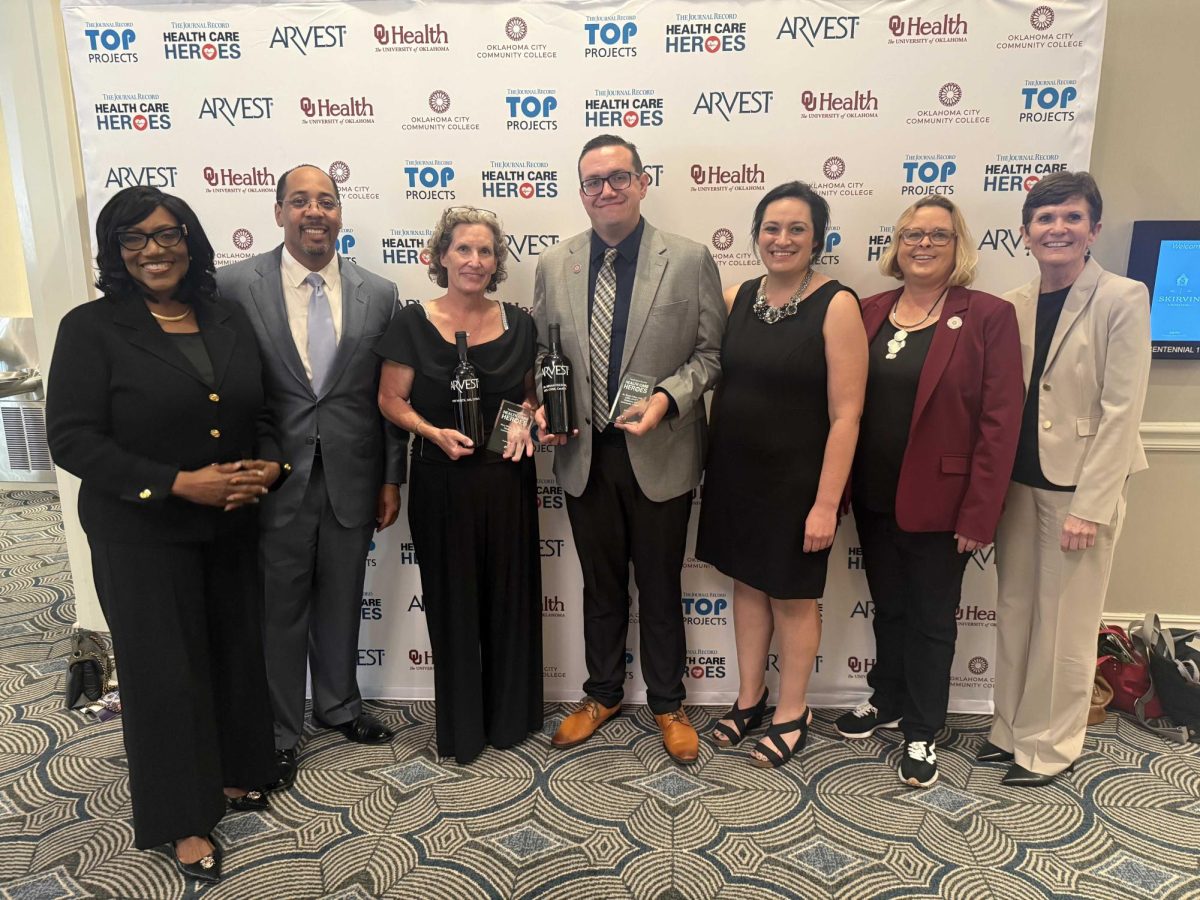



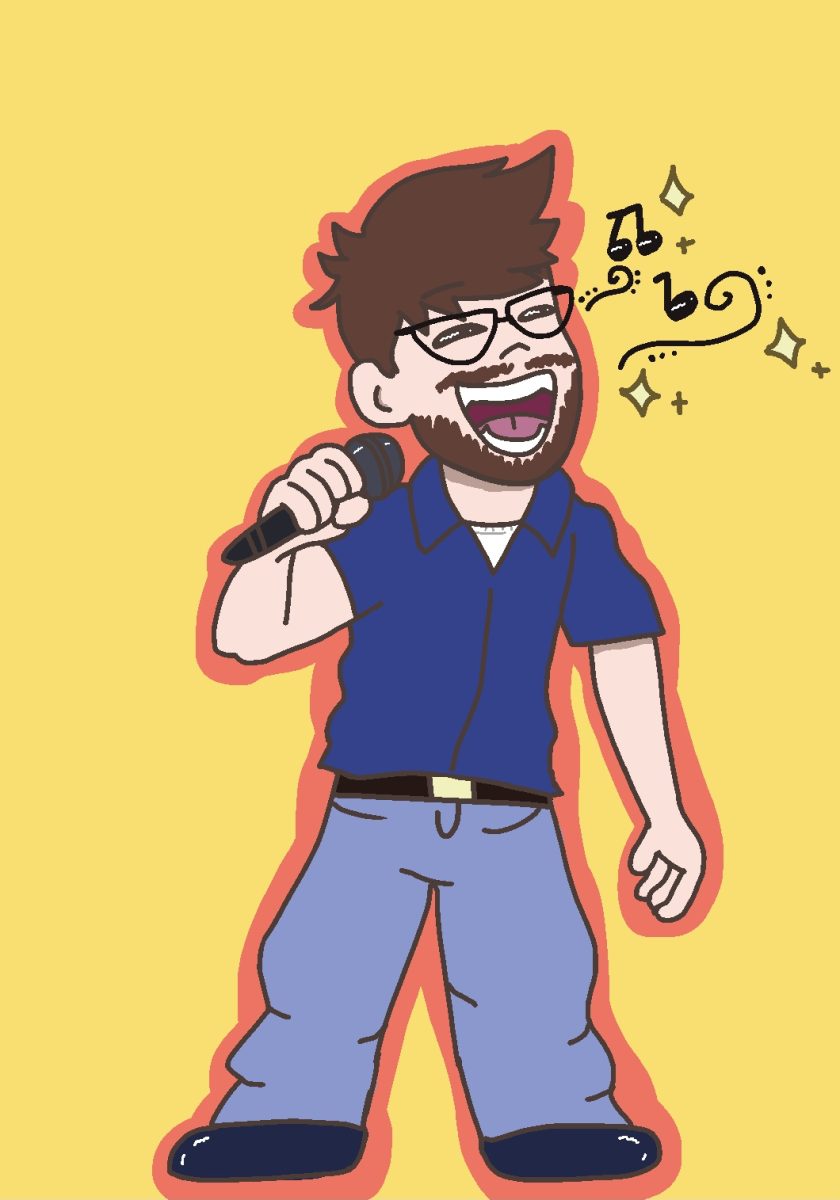
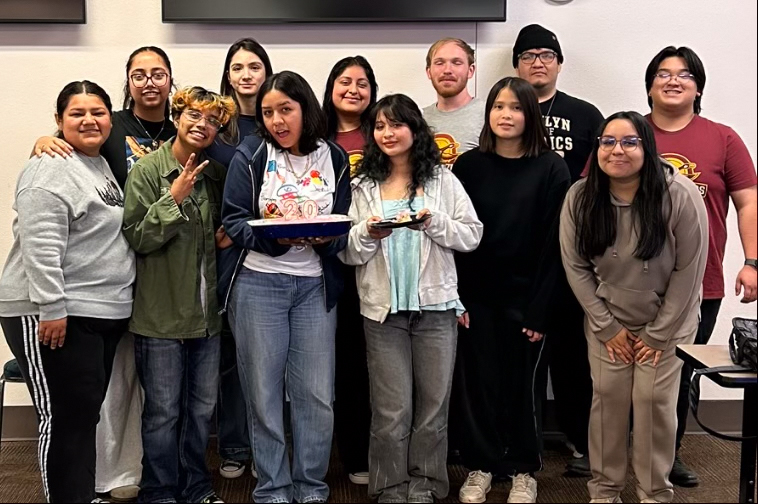


At OCCC, students facing social anxiety now have a dedicated space to build confidence, connect with peers and develop practical coping skills, thanks to the new “Runaway Brain” group led by licensed professional counselor Kristal J. Hamm.
Hamm, one of two mental health therapists at the OCCC Department of Student Accessibility and Support, brings both professional expertise and a personal touch to her role. She provides counseling and support tailored to the unique challenges students face, particularly those who feel anxious in social environments, whether in classrooms, clubs or casual interactions.
“We’re not necessarily talking about a formal diagnosis of anxiety,” Hamm explained. “This is for anyone who finds it harder to make friends, feels uncomfortable in social settings or just wants to navigate new environments more confidently.”

The “Runaway Brain” group is designed as an eight-week, in-person program where each session builds on the last. Students gradually learn strategies to manage social anxiety, starting with basic psychoeducation and moving toward hands-on skill-building exercises.
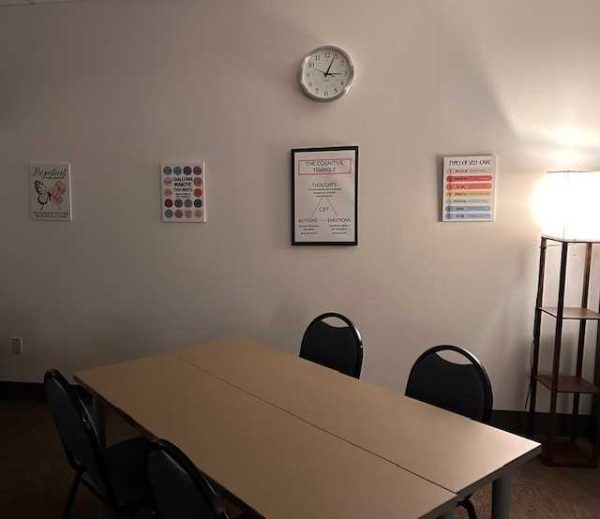
Hamm employs cognitive behavioral therapy as the foundation for the program, guiding participants to understand the connection between thoughts, feelings and behaviors. Early sessions focus on journaling and identifying negative automatic thoughts, helping students recognize patterns that can heighten anxiety.
As the program progresses, students develop relaxation and mindfulness skills and practice social interactions within the supportive group environment. Weeks four and five emphasize social skills training, teaching conversation techniques, assertiveness and boundary-setting—tools that students can apply both in college and beyond. In the latter weeks, exposure therapy is introduced, helping participants gradually confront and manage feared social situations. The final session focuses on relapse prevention, consolidating the skills learned and encouraging students to maintain their progress.
“By the end of the group, students should feel more confident interacting with peers they haven’t met before,” Hamm said. “If they can do it here, in a safe and supportive environment, they can do it anywhere.”
Hamm’s motivation for starting the sessions stems from both professional insight and her observations of post-pandemic social interactions.
“COVID really stunted social interactions and strengthened social anxiety for a lot of people,” she said. “Relearning how to connect with others is something many students need, and small groups like this make that possible.”
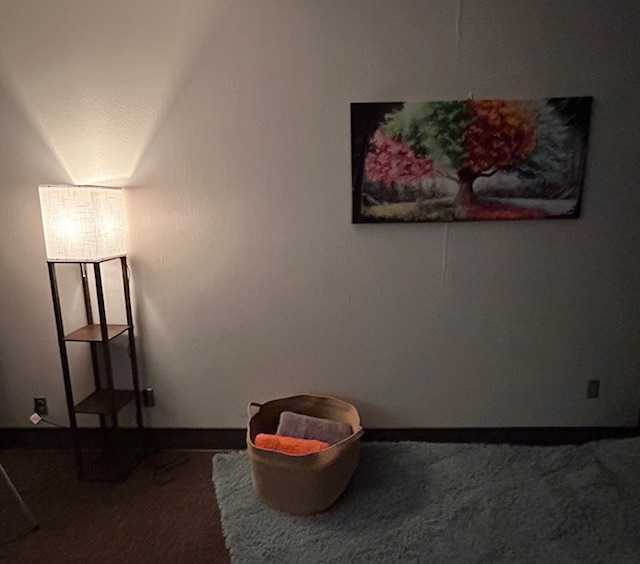
The sessions are free for all OCCC students, and they are held in a welcoming, calm space – the old yoga room by the gym – adorned to create a supportive environment. While registration in advance is required, the process is simple, with students providing only basic information to secure their spot. Hamm encourages early registration, noting that successful group dynamics depend on having enough participants to foster meaningful interactions.
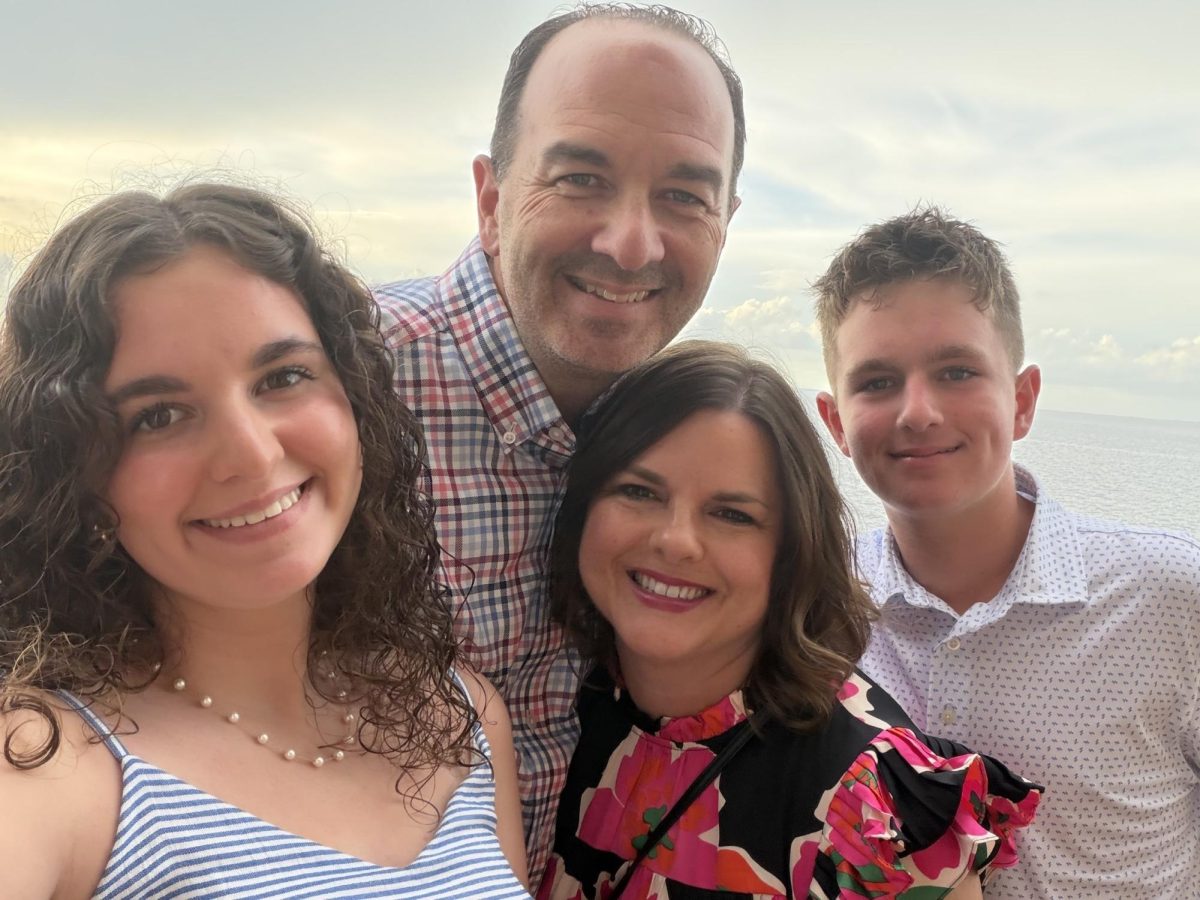
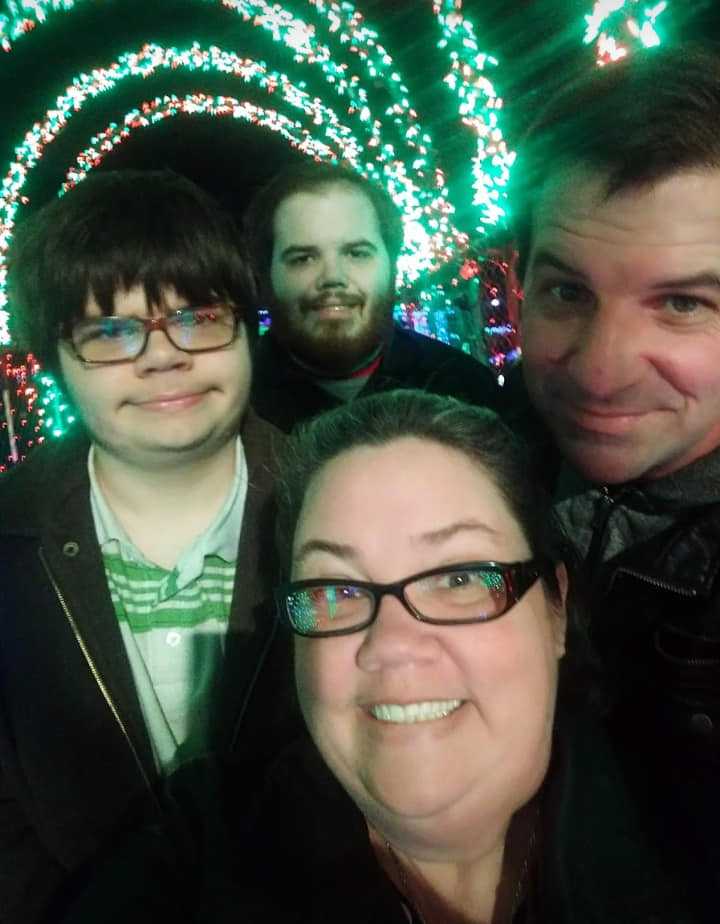
Outside her professional life, Hamm is a mother of teenagers who has been married for 18 years to another therapist. She enjoys engaging in social issues and has worked in multiple careers but describes her current role as her most fulfilling.
“One of my favorite parts of this job is seeing students start to grow and figure things out,” she said. “It’s amazing when you see someone gain confidence and begin to connect with others in ways they never thought they could.”
Hamm also underscores the importance of addressing mental health without stigma.
“Students should understand that mental health is something everyone should talk about,” she said. “There’s nothing wrong with seeking help, whether it’s for social anxiety or more severe issues. Our department is here to support them, and we have room for students who need guidance.”
The “Runaway Brain” group will meet every Tuesday at 11 a.m., beginning the week after spring break and running through the end of the semester. Each session lasts approximately 55 minutes, offering a compact yet comprehensive approach to skill building and peer interaction.
By blending professional expertise, structured skill building and genuine empathy, Hamm’s “Runaway Brain” group represents a meaningful step toward improving student mental health at OCCC.
“Even if all someone gains is the confidence to smile at a stranger or strike up a conversation, that connection makes life richer,” Hamm said. “That’s what this group is all about.”