


























OCCC offers a variety of amenities to students as part of tuition costs. One of these is the Wellness Center, located between the College Union and the Social Sciences Center. Fitness is the focus of the Recreation and Fitness Center, and observing when students visit this part of campus sheds light on when wellness becomes a priority for them as well.
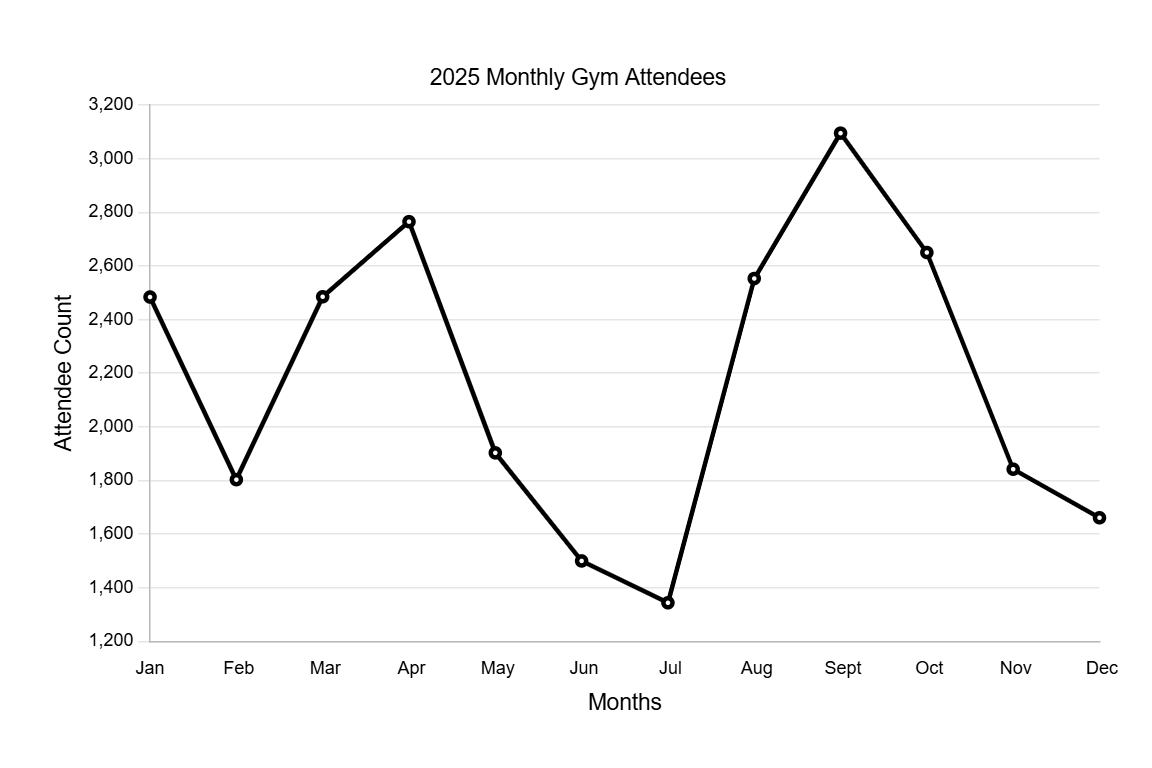
Keeping up with physical health often becomes an afterthought during times of stress. Attending college is no different. As academics become the focal point of students’ attention, physical health can be easily forgotten. This trend is most noticeable during midterms, which take place in October and March, and especially during finals in December and May.
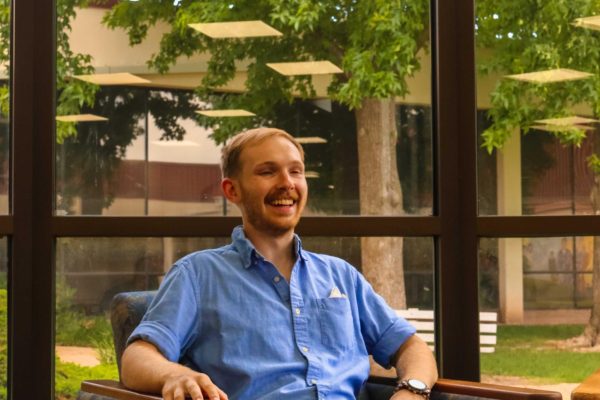
Mark Bateman, customer service assistant at the Recreation and Fitness Center, spoke about how student retention at the gym fluctuates throughout the school year.
“Visitor retention is always put into two of our busier categories, (and) I’ll tell the workers when those two categories usually come,” Bateman explained. “There’s the January crowd, coming to the gym because of New Year’s resolutions or they’re new to campus, and the August crowd. We tend to be busiest in August because that’s when we get the most new students who are excited to see what the school can offer.”

Bateman first came to OCCC in 2016 and 2017 before joining the Recreation and Fitness Center as an employee in 2018. He witnessed how habits shifted during the COVID years and following the return of the student body in late 2022. From his perspective tracking students entering and exiting the gym, he observed both the challenges and the steady return of members after the pandemic. Although many gained experience with at-home workouts, a number of them still chose to return to the social atmosphere of the OCCC gym.
While academic success is important, students must also recognize how physical health affects their ability to learn. Relieving restlessness and excess energy can help students better focus in classes with complex subject matter.
Drawing from years of experience, Bateman explained how students often perform better after exercising.
“Coming here gives them the chance to reset, re-engage and come back with their minds feeling a little fresher,” he said. “Maybe they have built up some energy because they’ve been immobile or feel anxious because of a test. Running for 30 minutes gives the brain a detox from all that focusing.”
It remains to be seen whether the gym will continue to gain more consistent visitors, as data has shown attendance has fluctuated over the past year. Still, the benefits of spending time in this part of campus cannot be understated, and many students who attend regularly grow to appreciate its impact over time.