






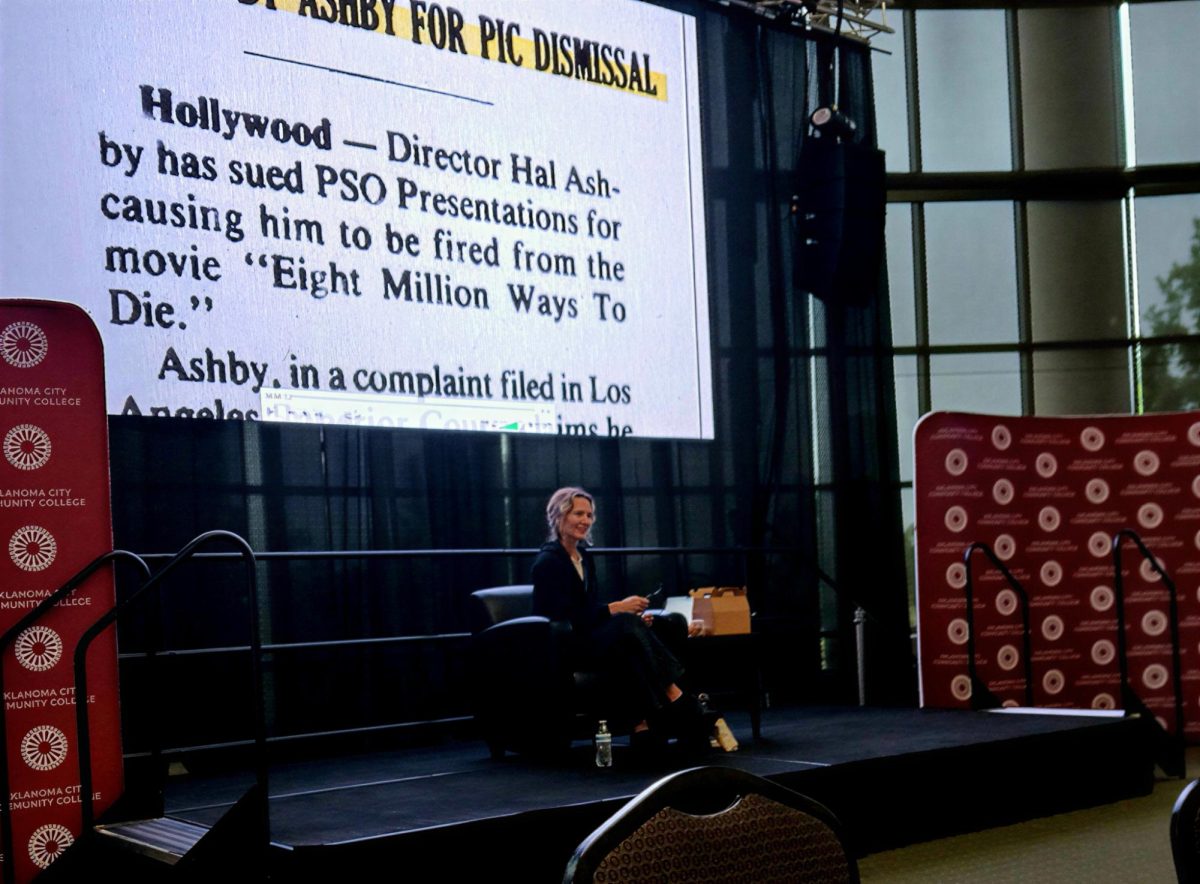
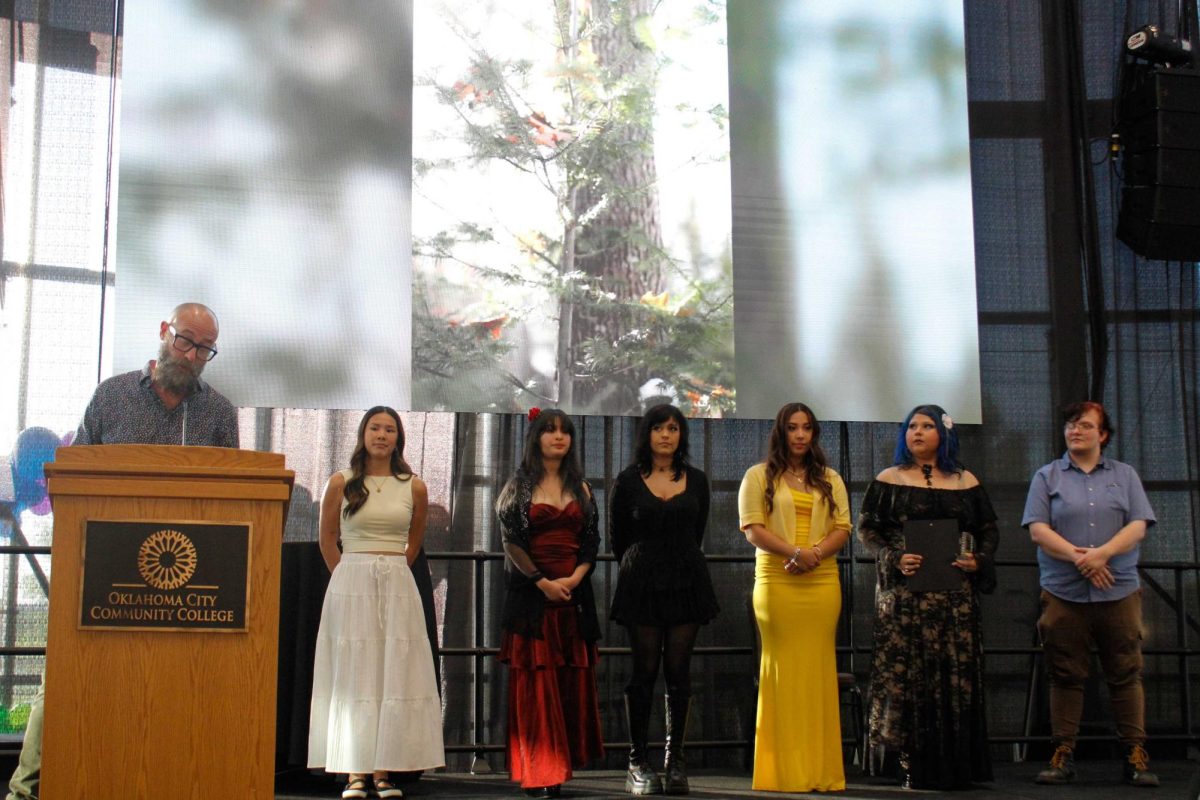








The lights dimmed in OCCC’s Visual and Performing Arts Center as students, alumni and families gathered for the return of the college’s digital cinema capstone screening. The event, which had been paused since the COVID-19 pandemic, showcased short films, documentaries and music videos created by OCCC students over the past three years.
The screening opened with remarks from Jeremy Fineman, department chair and professor of visual arts, before the audience settled in for over two hours of student projects.
“This is about giving our students the chance to screen their work and show it off,” said Sean Lynch, professor of digital cinema production and co-coordinator of the program. “That’s why you make movies, right? You make movies for audiences.”
Lynch organized the event alongside fellow DCP Co-Coordinator Greg Mellott. Going forward, they hope to begin holding the screenings every semester, allowing more students to experience seeing their work on the big screen.
OCCC’s DCP program has grown significantly in recent years. What started with about 60 students in 2015 now serves between 150 and 175 students every semester. That growth, coupled with the quality of the students’ work, has caught the attention of industry experts well outside the borders of Oklahoma. Indeed, the DCP program at OCCC has been recognized as one of the top 30 film schools in the United States and Canada for four years in a row by MovieMaker Magazine.
“That’s a big deal,” Lynch said. “We are that because of how our program works. I think you’ll see it reflected on the screen in what our students are creating, because they’re making some pretty quality stuff.”
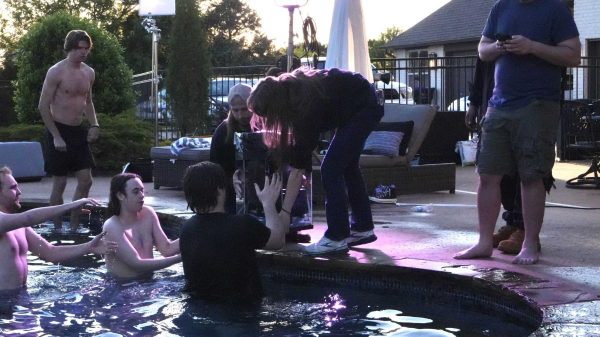
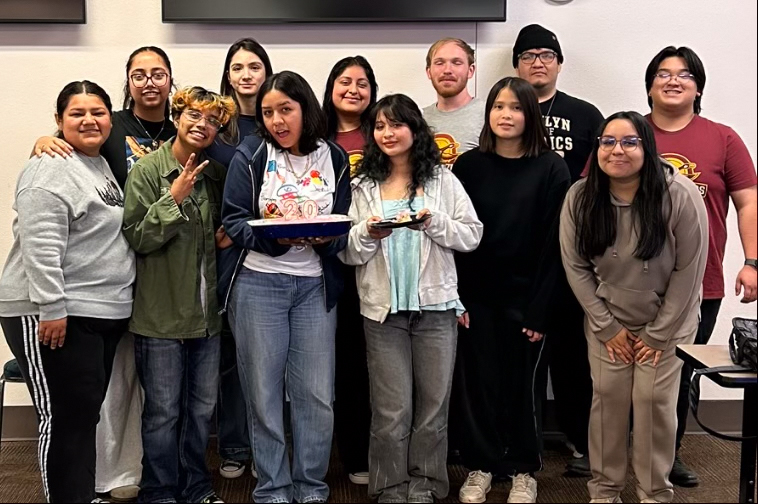
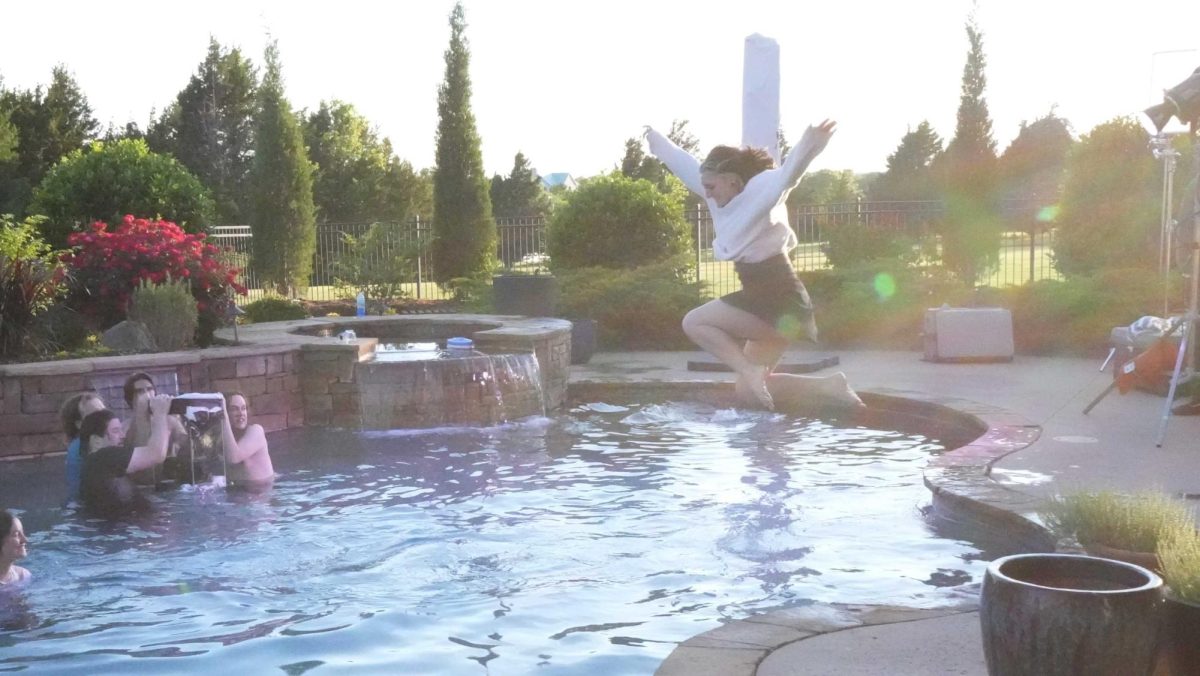
The capstone screening featured a mix of student work, including final capstone projects, course-required music videos and documentaries. Capstone projects are the culmination of the program, typically resulting in a short film under 15 minutes. While not every piece screened was a capstone, Lynch said the showcase was meant to highlight the “best of the best” from the past several years.
For students, the night was more than a class requirement. It was a chance to celebrate their work with friends, family and the public. Unlike classroom screenings, which are often limited to a small group, the VPAC provides a venue for a much wider audience.
“Students like to have their stuff premiered,” Lynch said. “This is really a chance for them to experience that with everyone they care about.”
Some projects shown at the event have already reached audiences beyond campus. One capstone film included in the lineup had been featured at the deadCenter Film Festival, an Oklahoma City-based festival that draws international submissions.
The return of the screening marks a renewed tradition for OCCC’s film program. What was once held every year or two prior to the pandemic might now be set to become a staple of each semester, offering students an ongoing platform to share their creativity.
“Seeing your work in a real theater is different,” Lynch said. “It’s recognition. It’s pride. You can say, ‘Hey, I made this.’ That’s what makes it meaningful.”